

Plastic surgery · A personal decision
Labiaplasty in Madrid, Spain
Female intimate surgery tailored to you. Labia minora reduction planned around your anatomy. A personal assessment to discuss comfort, appearance, and expectations, with discretion and time to decide.
Dr. Jorge Aso and our plastic surgery team · Madrid
Understand before deciding
What is labiaplasty or labia minora reduction?
Labiaplasty, also called nymphoplasty, reduces or reshapes the labia minora of the vulva when their shape or size causes discomfort or a persistent concern about their appearance.
The aim is to adjust protruding tissue or tissue that causes friction while preserving proportionate, functional anatomy. It is not about achieving identical measurements for every woman: variation in size, color, and asymmetry can be entirely normal.
Female intimate surgery includes several procedures. This page focuses on labia minora reduction and, when indicated, clitoral hood reduction. Surgery involves the vulva, not the inside of the vagina. ASPS information on labiaplasty.
- Usual operating time
- ≈30 minuteslabiaplasty alone
- Anesthesia
- Local with sedationusually
- Discharge
- The same daydepending on recovery
- Settled results
- 3–6 monthsgradual change

Comfort and autonomy
When might surgery make sense?
We assess adult women who wish to address discomfort attributable to labial tissue or change its appearance after understanding the alternatives, limitations, and risks.
- Friction, pulling, or irritation with certain clothing, when walking, or during exercise.
- Tissue that folds or becomes trapped, causing discomfort.
- Asymmetry or excess tissue that causes persistent concern and can be addressed surgically.
- Realistic expectations and a personal decision, without pressure from others.
If pain, itching, or discomfort during sex is the main problem, its cause must first be identified. Infection, a skin condition, or another gynecological problem may need a different treatment. Labiaplasty does not resolve every intimate symptom.
We review your medical history, medications, allergies, and previous surgery. An active infection, pregnancy, an unsettled postpartum recovery, or uncontrolled health problems may require postponement. No labial measurement makes surgery necessary.
Two areas, two decisions
Clitoral hood reduction: only when indicated
The hood is the skin fold covering the clitoris. It is assessed as part of the vulval examination, but reducing it is not a mandatory step in labiaplasty.
When there are excess folds and the anatomy supports it, a tailored hood reduction can be combined with surgery to improve overall proportions. It is planned carefully to preserve structures and avoid excessive removal.
Reducing the hood does not mean reducing the clitoris. Nor is it a guarantee of improved sensation, orgasm, or sexual life. Suitability and the extent of treatment are explained during the consultation. ASPS information on this technique.
Our approach
How we perform labiaplasty
Dr. Jorge Aso and our plastic surgery team tailor the plan to each patient’s anatomy, the amount of tissue, and their expectations.
-
Examination and planning
We listen to your concerns and examine the labia minora, asymmetries, and hood. Together, we agree on what to change and what to preserve. Consultations and preoperative tests are tailored to your health and the planned procedure.
-
Conservative tissue reduction
We generally use the trim technique to reshape the edge of the labia minora. This is not an automatic choice: the technique and design depend on the case. Our priority is to remove what is needed without excessive reduction.
-
Suturing and wound treatment
We close the wound with absorbable Vicryl Rapid-type sutures. Our protocol includes applying a nonablative fractional laser to the wound during the same operation. We then check for bleeding and provide care instructions.
An adjunct to our surgical protocol
Laser labiaplasty: what we actually do
As an adjunct to surgery, our protocol includes applying a nonablative fractional laser to the wound during the same operation, with the aim of supporting healing.
In this context, the laser is not described as the instrument used to cut the labia, does not replace sutures, and is not an intravaginal treatment. These techniques should be distinguished when discussing “laser intimate surgery.”
This is our clinical protocol, not a promise of invisible scars or faster recovery in every case. Healing also depends on the surgical plan, tissues, aftercare, and personal factors such as smoking.
Hospital-based care
Anesthesia, safety, and discharge
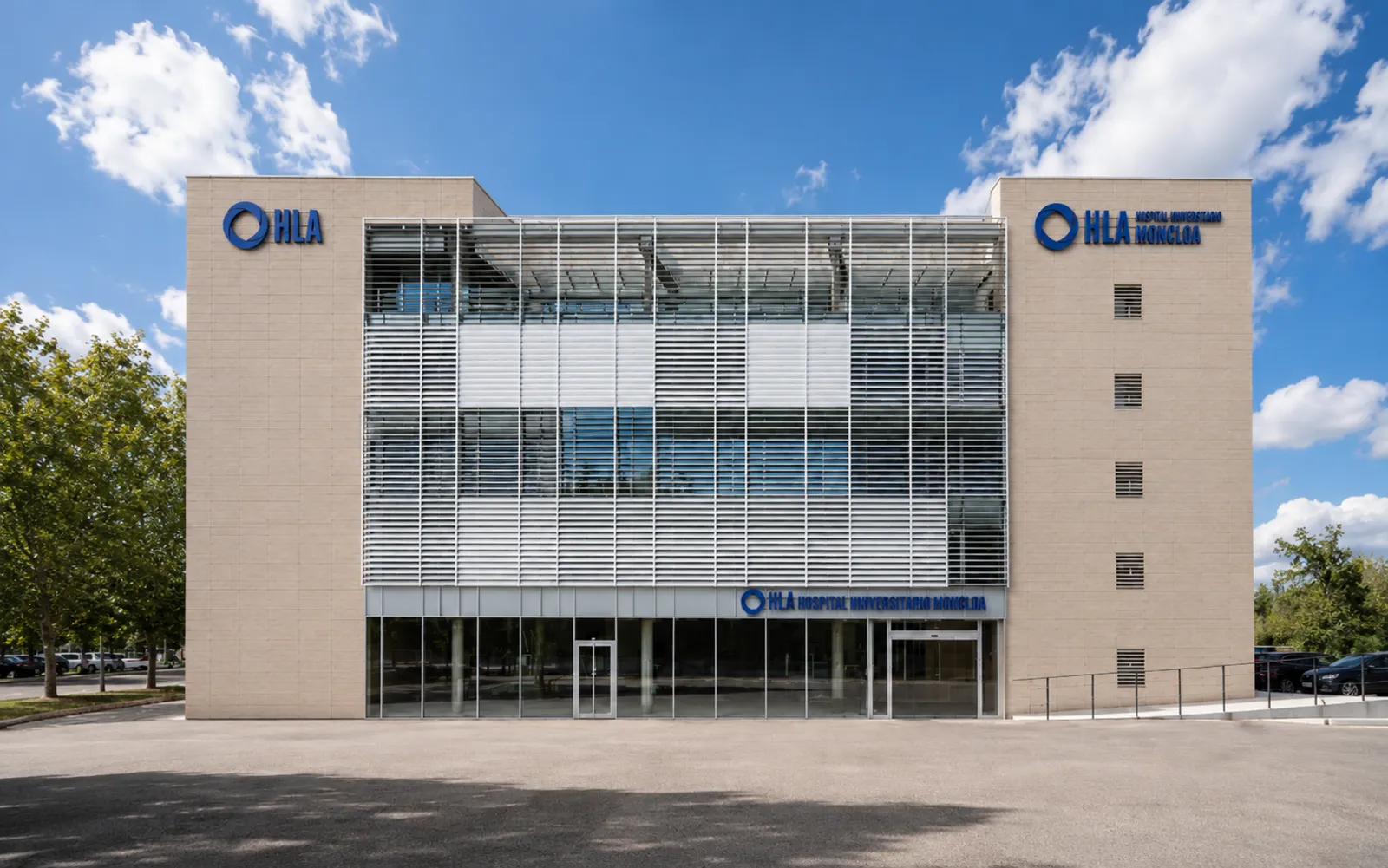
Labiaplasty is performed at Hospital Universitario HLA Moncloa. We usually use local anesthesia with sedation, with an anesthesiologist involved and monitoring throughout the procedure and recovery.
Labiaplasty alone takes approximately half an hour, and discharge is usually the same day once recovery is satisfactory. This does not mean you can drive immediately or resume all activities without restrictions: arrange an accompanying adult and follow the team’s instructions.
When combined with another operation, the anesthesia, total operating time, and hospital stay are planned for the whole procedure.
Recovery step by step
Labiaplasty recovery: indicative time frames
Swelling, tenderness, and discomfort are common initially. The following time frames guide our follow-up; wound examination and your progress take priority over the calendar.
- 48–72 h
Relative rest and short walks
Avoid exertion, pressure, and friction. You do not need to remain immobile: alternate rest with brief walks. Wear loose clothing and take only the prescribed medication.
- 7–14 days
A gradual return to work
Desk-based work may resume around the first week; some patients need 10–14 days. If your job involves exertion, long periods standing, or friction, we tailor your return individually.
- 4–6 weeks
Exercise and bathing
Return to exercise is gradual and needs your surgeon’s approval. Swimming pools and immersion baths should wait until the wound is closed and you have clearance. For cycling or spinning, we prefer waiting around six weeks.
- ≈6 weeks
Penetrative sex and tampons
We recommend waiting approximately six weeks, until the wound is closed and after a follow-up assessment. Do not force activity if there is pain, pulling, or bleeding, even once this time has passed.
- 3–6 months
Assessing settled results
Swelling subsides and the scar gradually matures. The initial shape cannot establish the final result or residual asymmetry. Progress may differ when procedures have been combined.
These conservative time frames are individualized. General recovery guidance is available in the NHS information.
Our clinic’s aftercare
Keeping the wound clean and especially dry
Avoid leaving the area damp or macerated.
Our protocol recommends daily wound care: wash with soap and water, dry, apply Betadine, then use a hair dryer on a cool or lukewarm setting. Do not use hot air on the wound.
The team explains the steps and adapts them if there is a contraindication or your recovery changes. Do not add products, massage, or treatments yourself. These instructions concern the external wound, not intravaginal washing.
Avoid smoking for at least one month before and one month after surgery. Smoking impairs healing and increases complication risks. American College of Surgeons recommendations.
An informed decision
Risks and warning signs not to ignore
Like any surgery, labiaplasty can involve bleeding or hematoma, infection, wound separation, scar changes, asymmetry, altered sensation, or persistent discomfort. Pain during sex and, occasionally, further corrective surgery may occur. Anesthetic risks also need assessment.
Excessive tissue removal can impair function. We therefore plan cautiously and explain both what may improve and what surgery cannot guarantee. ACOG: information and consent in cosmetic genital surgery.
A combined plan, when appropriate
Can I combine labiaplasty with breast augmentation?
Yes. In our practice, breast augmentation and labia minora reduction are often combined in the same operation.
The decision depends on your health, the extent of both procedures, and expected recovery. A combination may be convenient, but it is not suitable for every patient. The total time, anesthesia, and postoperative advice are planned together.
Understanding your quote
How much does labiaplasty cost in Madrid?
The indicative average price of labiaplasty at our clinic is approximately €3,990, including hospital care, the anesthesiologist, and follow-up appointments.
If clitoral hood reduction is indicated, it may involve an additional fee of approximately €500–€1,000, depending on the case. This is not an automatic supplement for every labiaplasty.
Your final quote is established after an individual assessment. This figure is not a fixed tariff or the price of every intimate procedure or combined operation.
The first step is a medical assessment, where we review your case confidentially and explain the options. If you are interested in financing, ask about available options and their conditions before deciding.
Shape, function, and expectations
Labiaplasty before and after: what can change
The procedure aims to reduce protruding tissue, improve labial proportions, and relieve discomfort caused by excess tissue. It does not make every vulva fit one model or guarantee perfect symmetry.
Changes are apparent after surgery, but swelling can distort the contour during the first weeks. We assess the settled shape between three and six months. There is a scar, although its appearance evolves.
Removed tissue does not spontaneously grow back, but pregnancy, childbirth, and time can change the area. If you plan to become pregnant soon, discuss when to have surgery. Improved sexual satisfaction cannot be promised either.
Personal care and medical rigor
Your intimate-surgery consultation in Madrid
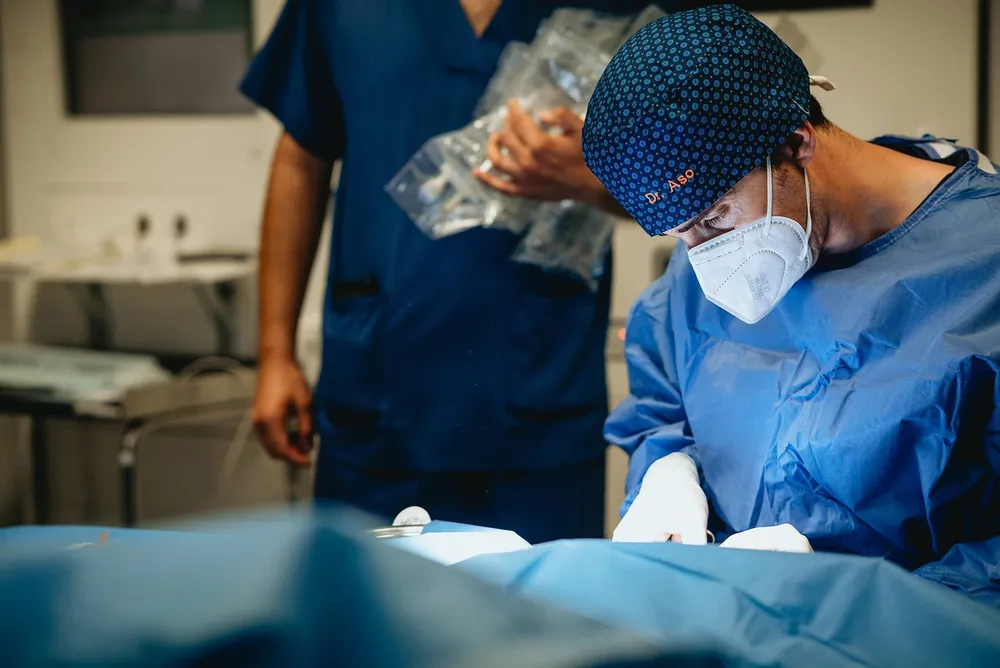
Plastic surgeon Dr. Jorge Aso and our plastic surgery team plan these procedures individually. Before surgery, you will know the proposed procedure, the responsible surgeon, and the follow-up arrangements.
At our plastic and aesthetic surgery clinic in Madrid you can discuss symptoms confidentially, ask about alternatives, or decide against surgery. The consultation is there to guide you, not to impose a decision.
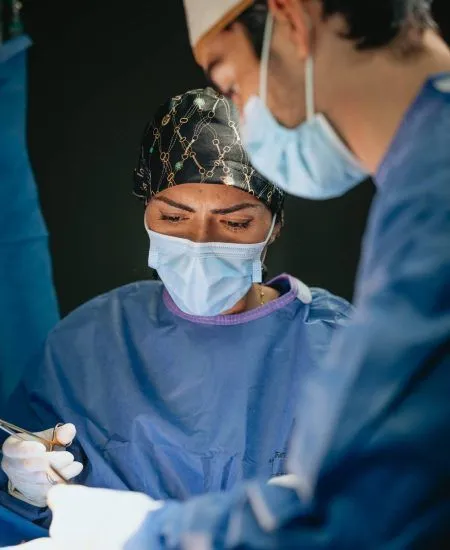
Different needs, a separate assessment
Other female intimate surgery procedures
Suitability, technique, and pricing for these procedures are considered separately. Labiaplasty recovery times and aftercare do not automatically apply to them.
Pubic-area liposuction
This treats localized fat deposits in the mons pubis. We assess volume, skin quality, and proportions relative to the abdomen to decide whether liposuction can improve the contour or another issue needs a different approach.
Hymenoplasty
This procedure reconstructs hymenal tissue. Its feasibility and extent depend on the anatomy and are discussed in an individual, confidential consultation. As with any operation, it requires a free, informed decision, realistic expectations, and an understanding of its limitations and risks.
Your questions answered
Frequently asked questions about labiaplasty
Are labiaplasty and labia minora reduction the same thing?
On this page, labiaplasty or nymphoplasty refers to reducing and reshaping the labia minora of the vulva. Labiaplasty can also describe other labial techniques, so the exact area to be treated is clarified during the consultation.
When are the labia minora considered too large?
There is no single measurement that makes surgery necessary. Shape and size vary greatly between women, and asymmetry can be normal. Suitability is based on an examination, symptoms attributable to the tissue, your goals, and realistic expectations.
Is the operation performed with a laser?
We usually perform a surgical trim reduction and close with absorbable sutures. As an adjunct, our protocol applies a nonablative fractional laser to the wound during the same operation, aiming to support healing. It does not replace cutting or suturing and does not guarantee faster recovery.
Is the clitoral hood reduced as well?
Only when the examination and anatomy justify it. This is an individual decision, not a mandatory labiaplasty step. Treatment concerns the hood’s skin fold, not reducing the clitoris, and does not promise improved sensation or orgasm.
What anesthesia is used, and how long does surgery take?
Labiaplasty alone usually takes around 30 minutes and is performed under local anesthesia with sedation at Hospital Universitario HLA Moncloa. Discharge is usually the same day. When combined with another operation, duration, anesthesia, and hospital stay are planned for the whole procedure.
Are the sutures removed?
We use absorbable Vicryl Rapid-type sutures. They are checked at follow-up, and the surgeon decides if any need attention. Do not pull on or trim them yourself.
When can I work and exercise?
As a guide, desk-based work may resume around seven days, although some patients need 10–14 days. Exercise resumes gradually at 4–6 weeks with clearance; for cycling or spinning, we prefer around six weeks. Physical demands at work and wound healing may alter these time frames.
When can I have sex?
Our protocol recommends waiting approximately six weeks before penetrative sex or tampons, with the wound closed and the surgeon’s approval. If there is pain, pulling, or bleeding, do not force activity even after this time has passed.
How should I care for the wound?
Our protocol recommends daily washing with soap and water, drying, applying Betadine, then using a hair dryer on a cool or lukewarm setting. Keeping the area dry and avoiding maceration is especially important. The team adapts this if there is a contraindication or recovery changes; do not use hot air or add products yourself.
Can I combine labiaplasty with breast augmentation?
Yes. In our practice, breast augmentation and labia minora reduction are often combined in one operation. Your health, the extent of both procedures, and expected recovery are assessed. Anesthesia, total operating time, and hospital stay are planned together; this combination is not suitable for everyone.
Can sensation be lost after labiaplasty?
Temporary or persistent changes in sensation can occur, alongside other possible complications. Planning aims to preserve function and avoid excessive removal, but does not eliminate all risks. Improved sensation or sexual satisfaction is not guaranteed either.
When are the results final, and how long do they last?
Swelling gradually subsides, and we assess settled results between three and six months. Removed tissue does not spontaneously grow back, but pregnancy, childbirth, and aging can change the area. If pregnancy is planned soon, discuss when to have surgery.
What does labiaplasty cost, and what is included?
The indicative average price at our clinic is approximately €3,990, including hospital care, the anesthesiologist, and follow-ups. If clitoral hood reduction is indicated, there may be an additional fee of approximately €500–€1,000, depending on the case. Your final quote follows an individual assessment and does not automatically apply to other intimate or combined procedures.
Let’s discuss your concerns
A personal assessment, without obligation
You do not need to know which technique you want. Tell us what bothers you and what you would like to improve.
At the first consultation, we assess your anatomy, answer questions about labiaplasty and the hood, and explain the quote and recovery relevant to your case.
- Listening and an individual examination.
- Explanation of alternatives and limitations.
- A surgical plan and follow-up.
Choose “Another treatment” and mention labiaplasty in the form. To arrange your consultation, you can also call +34 629 49 44 70 or use our contact page.
Planning your visit from abroad. For patients considering labiaplasty in Spain, a discreet initial discussion in English can help clarify their goals and the assessment process. A medical examination determines the appropriate plan. Before traveling to Madrid, agree the expected stay, wound-care instructions, postoperative review and how to contact the clinic after returning home. Read our international patient guide.
Medical sources and content review
The following sources support general information about suitability, techniques, recovery, and risks. Adjunctive laser use, Betadine wound care, follow-up timing, and pricing are identified as our clinic’s protocol and information, confirmed by Dr. Aso.
- American Society of Plastic Surgeons: labiaplasty, technique, and recovery.
- American Society of Plastic Surgeons: clitoral hood reduction.
- NHS: labiaplasty, expectations, risks, and recovery.
- ACOG Committee Opinion 795: Elective Female Genital Cosmetic Surgery.
- American College of Surgeons: stopping smoking before and after surgery.
Medical authorship Specialist in Plastic, Aesthetic and Reconstructive Surgery (Spanish MIR training) Medical registration no. 2828/61062 · Madrid About Labiaplasty and Female Intimate Surgery in Madrid: clinical information, safety and expectations. Based on the original Spanish content. Translation does not constitute a new medical review. This information does not replace an individual medical assessment. References support the general medical information. Suitability, alternatives, and risks are discussed individually during consultation.

Medical sources and editorial standards
Selected references for this page
5 references

Selected interviews, mentions and third-party articles. Coverage is in Spanish.