
We present real before-and-after photographs of tuberous breasts following surgery.
A tuberous breast is a problem with breast development that becomes apparent during adolescence and can be corrected through surgery. Current surgical techniques can address the conical shape characteristic of tuberous breasts, enhancing the bust with a natural appearance.
Before-and-after photographs of tuberous breasts illustrate the results of surgery in individual patients, including changes toward a more proportionate breast appearance. They do not predict another patient’s outcome.
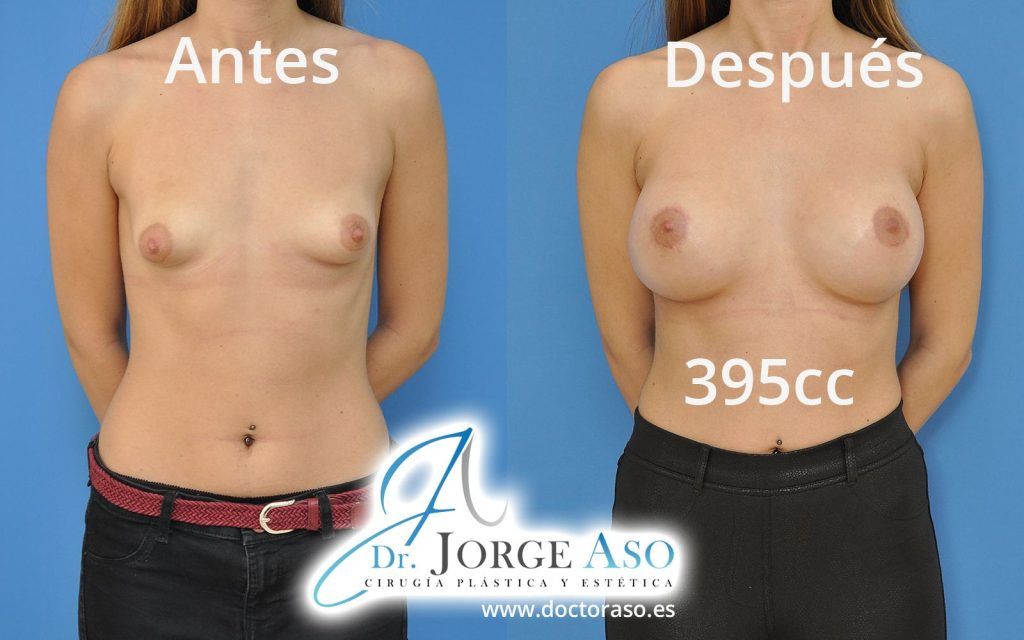

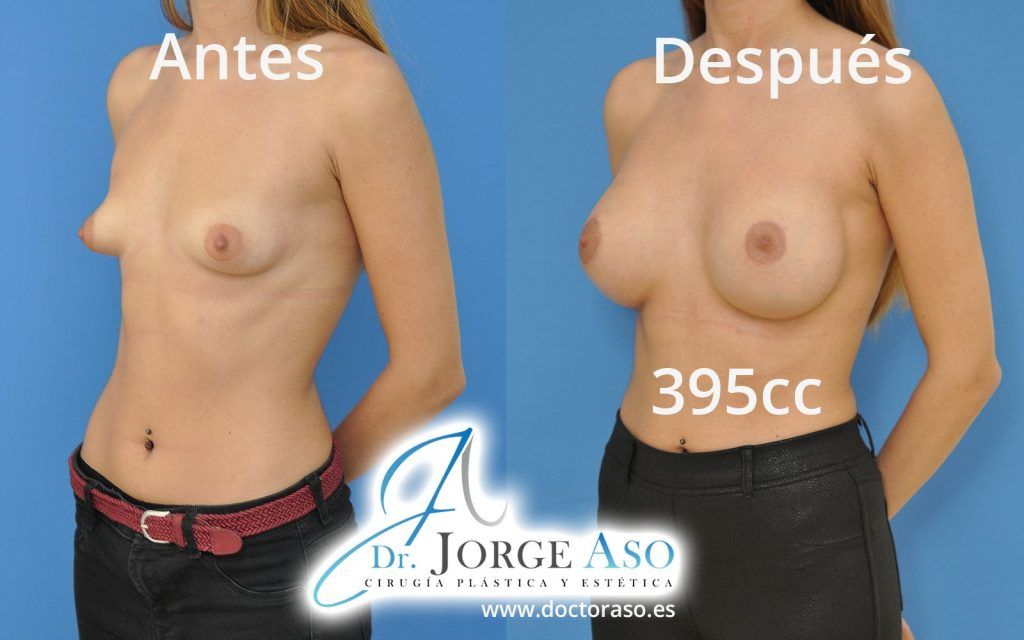
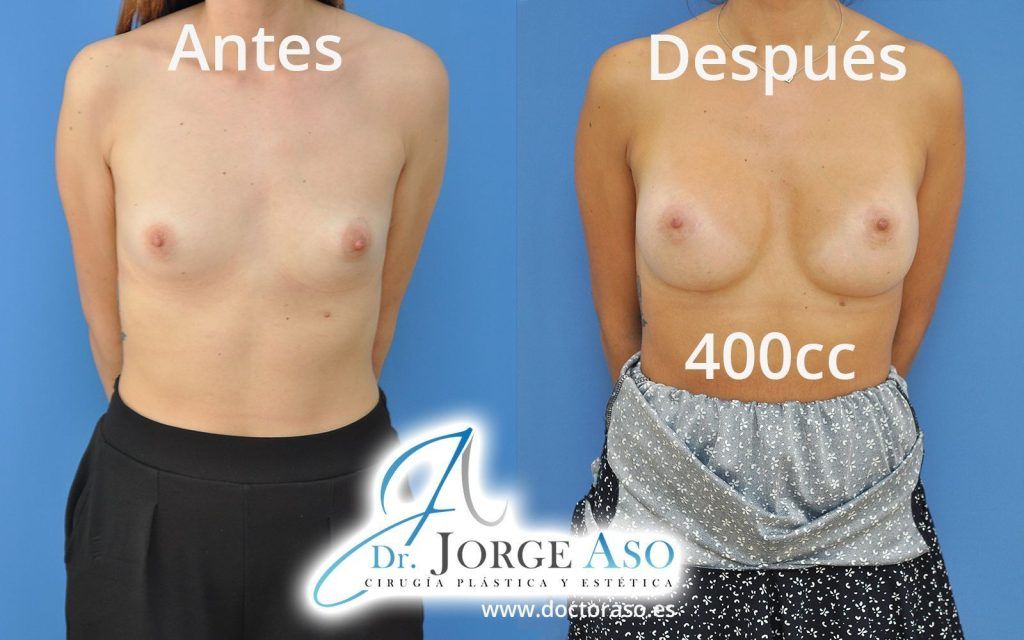

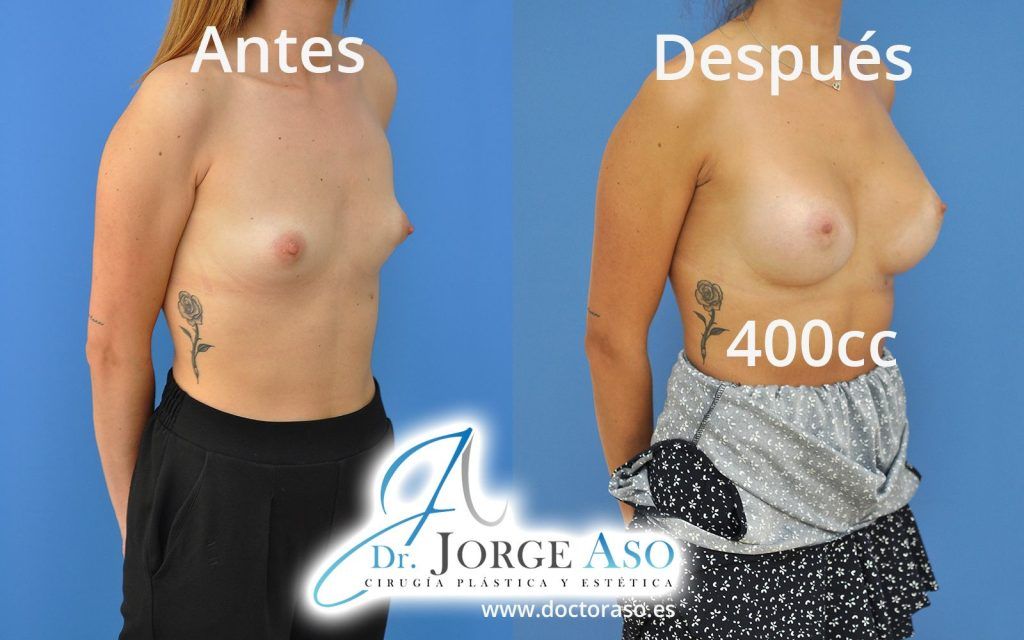
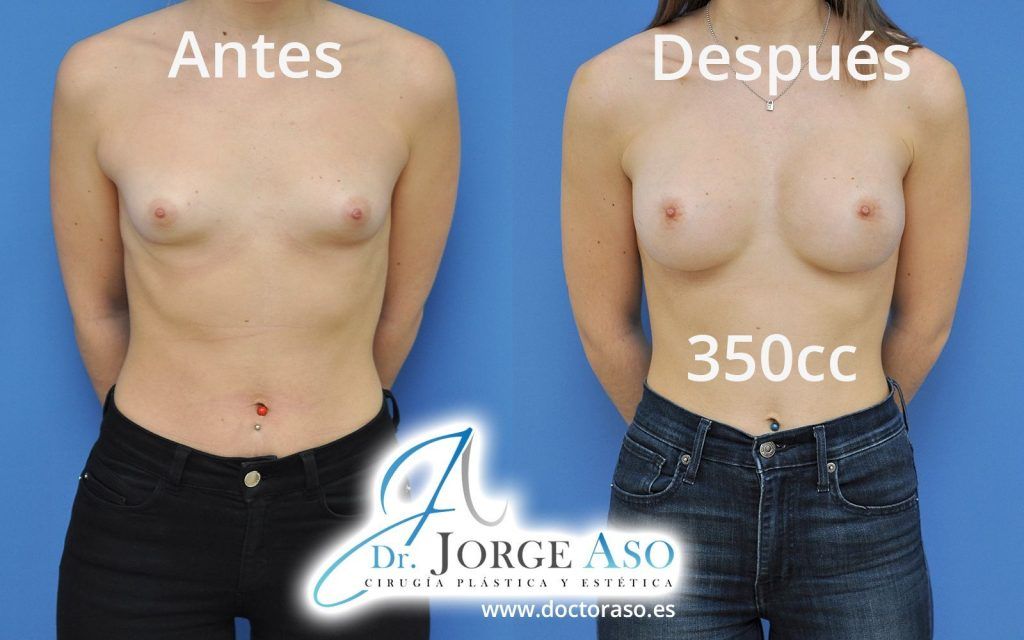
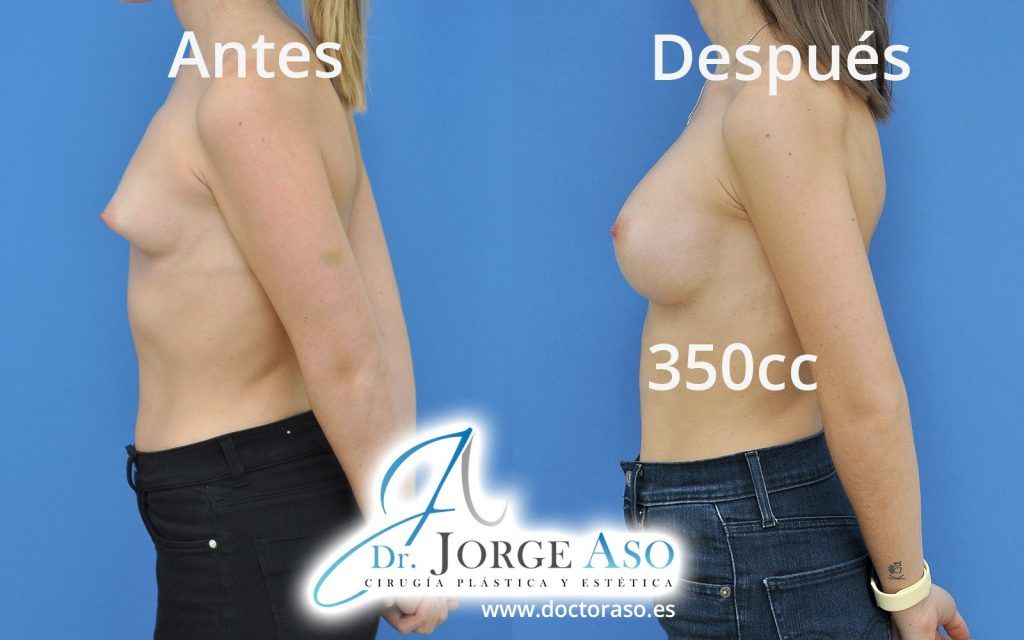
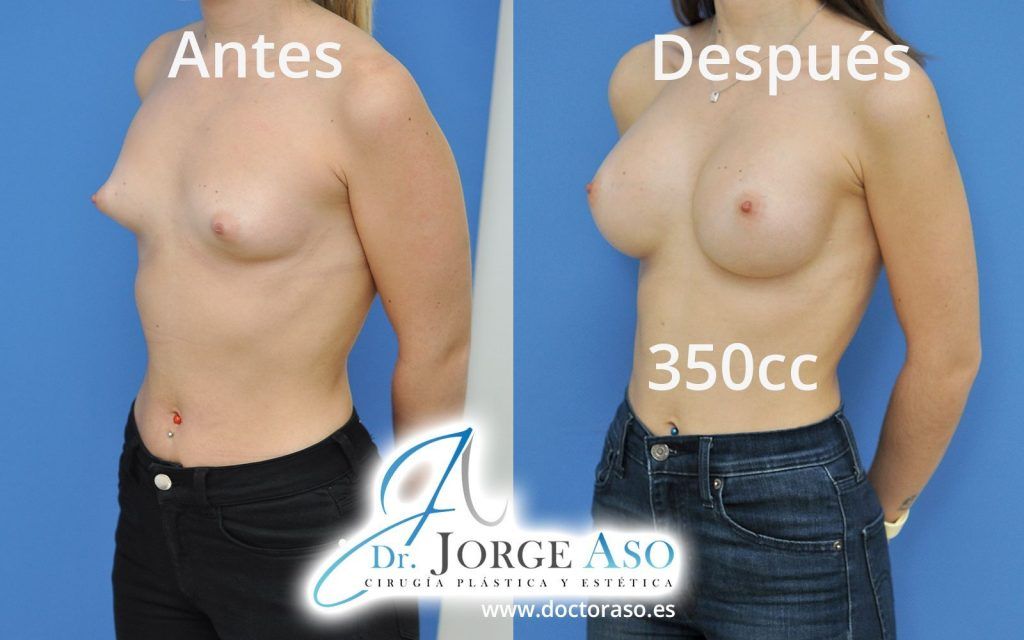
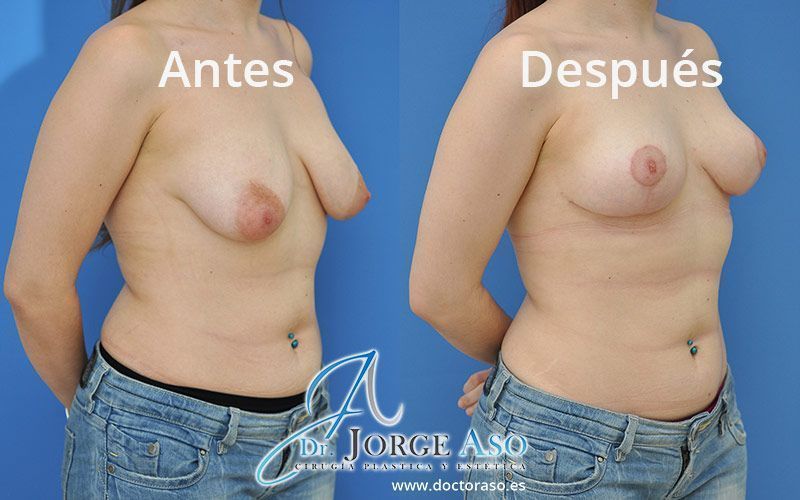
Changes in breast shape may be noticeable after surgery, but the final appearance develops as recovery progresses. Surgical scars remain, although they may fade with time. These photographs of tuberous breasts illustrate individual surgical results, not a guarantee of what another patient will achieve.
Tuberous breast before-and-after photographs
Tuberous breasts share a number of common features in their shape:
- A conical shape rather than the usual rounded shape.
- Excessive separation between the breasts.
- A lack of tissue in the lower part of the breast.
- Areolas that are disproportionately large in relation to breast size.
- Asymmetry between the breasts.
- Sagging.
Each patient presents an individual case, and the combination and severity of these features can vary. Before-and-after photographs illustrate how surgery may address these developmental differences, with the aim of achieving breast proportions and an appearance suited to the patient. A specific aesthetic outcome cannot be guaranteed.
At Dr. Aso Clinic, we carry out a comprehensive preoperative assessment to evaluate each patient’s individual case. This assessment allows us to analyze the current condition of the breasts and establish the appearance we aim to achieve through surgery.
Photographs of surgically corrected tuberous breasts show individual changes in breast position, shape and proportions. Planning takes the patient’s physical characteristics into account; photographs do not establish that every sign of tuberous development will disappear.
Tubular breast before-and-after photographs
Many patients who ask about tuberous breast surgery are concerned about scars and, more generally, the marks that surgery may leave on the breasts. Scars may become less noticeable as they mature, but they are not reabsorbed and cannot be promised to disappear. Their appearance varies between patients.
Tuberous breast surgery may include glandular reshaping and mammoplasty; mastopexy may be considered when a lift is indicated. The combination of techniques and the incision location are selected for the individual patient. An incision near the areola may be appropriate in some cases, but no incision can be promised to leave no mark or to be discreet from the outset.
Postoperative care includes advice on scar management, tailored to healing and the procedure performed. The aim is to make scars as discreet as possible, not to promise that no visible mark will remain. Incision planning and follow-up are discussed during the individual assessment.
It is important to emphasize that each patient has individual characteristics that affect scar management after surgery. At Dr. Aso Clinic, our experience in breast augmentation and reduction surgery informs the assessment and treatment of tuberous breasts. Results and healing are individual.
Tuberous breasts: symmetry and mastopexy
The tuberous breast procedure is not simply about adding volume. Depending on the patient’s anatomy, it may also involve reshaping breast tissue and, when indicated, mastopexy. Mastopexy, or a breast lift, addresses breast position and sagging; its suitability is assessed individually.
When mastopexy is considered, the patient’s anatomy and goals guide the plan. It is not a required final stage in every tuberous breast procedure. The surgical approach is individualized to address breast shape and proportions, and the expected changes and limitations should be discussed before surgery.
Before-and-after photographs illustrate that tuberous breast surgery may address shape and proportions as well as volume. The components of the procedure depend on the individual case rather than on an obligatory sequence of stages.
Tuberous breasts: grades
Several classification systems describe tuberous breasts. The Grolleau classification distinguishes three types according to the areas of the breast that are underdeveloped:
- Type I: The lower inner quadrant is underdeveloped.
- Type II: Both lower quadrants are underdeveloped.
- Type III: All four quadrants are underdeveloped.
Surgical options can be assessed across different degrees of tuberous breast development, including more severe presentations. Where the areola is displaced or protrudes, the assessment considers this together with breast volume and position. Suitability, the extent of correction and possible limitations depend on the individual case.
Tuberous breast surgery at Dr. Aso Clinic
At Dr. Aso Clinic, we assess tuberous breasts individually and discuss surgical options suited to the patient’s anatomy and goals. Our experience informs this planning, but it does not guarantee a particular outcome. The real photographs on this page illustrate results achieved in individual patients.
Our work begins with a thorough preoperative assessment to plan surgery and discuss the expected changes, risks and limitations. Postoperative follow-up supports recovery and scar management, but neither planning nor follow-up can guarantee an exact result or an absence of visible scars.

Selected interviews, mentions and third-party articles. Coverage is in Spanish.