In an adult woman, no exercise, food, vitamin, cream, or massage can selectively and permanently increase breast tissue. Training can develop the pectoral muscle beneath the breast and improve posture; weight can change breast fat; and the menstrual cycle, pregnancy, or certain medications can cause temporary changes. None of these is equivalent to a controlled increase in breast gland tissue.
The answer also depends on age. During puberty, breasts are developing naturally and may change over several years. In adults, it is important to distinguish between making breasts look a little fuller and actually increasing their volume. This guide reviews what each method can offer, which promises lack evidence, and when a consultation is worthwhile.
Can you grow your breasts naturally?
No proven natural method predictably and permanently adds one or two cup sizes in an adult woman. Some measures change appearance: strengthening the chest can improve its visual support, a bra can bring the breasts together or lift them, and weight changes can increase or decrease part of their fat component. But the volume change is not selective or controllable.
Be wary of products promising to “activate” breast growth in days. Rapid changes usually reflect fullness, inflammation, fluid retention, posture, or clothing, not the lasting formation of new breast tissue.
In this article
What determines breast size and shape?
The breast consists of gland tissue, fat, connective tissue, skin, and ligaments. It rests on the pectoral muscle but is not part of it. Its size and shape depend on genetics, hormonal development, fat distribution, skin elasticity, pregnancy, breastfeeding, weight, and aging.1
This composition helps explain three different changes: exercise changes the muscle underneath, weight can change the fat and hormones can change the gland or its fullness. None lets you choose exactly how many centimeters each breast grows, where the growth occurs, or how long it lasts.
Breast tissueGland and fat
Account for much of the volume, but do not respond to strength exercises like a muscle.
Beneath the breastPectoral muscle
Can gain tone and mass; it changes the chest framework, not the amount of breast tissue.
The envelopeSkin and ligaments
Influence position, firmness, and sagging; creams do not selectively tighten them.
Natural breast enlargement methods: what they can change
The table separates real effects from commercial expectations. “Does not enlarge the breast” does not mean a measure is useless for health, posture, or skin; it means that it does not create a lasting, measurable breast enlargement.
| Method | What it can change | What it cannot do | Conclusion |
|---|---|---|---|
| Pectoral exercises | Muscle, posture, and chest contour. | Increase breast gland tissue or fat. | Limited visual change |
| Food, soy, and phytoestrogens | General health as part of a balanced diet. | Direct growth or fat solely to the breasts. | Not proven |
| Vitamins and herbal supplements | Correct a genuine deficiency when present. | Enlarge the breasts of a healthy, well-nourished person. | No reliable efficacy |
| Creams, oils, and massage | Moisturization, skin feel, and temporary fullness. | Create gland tissue or deep fat. | Superficial effect |
| Gaining weight | Body fat, sometimes including breast fat. | Choose where fat is deposited or guarantee symmetry. | Unpredictable |
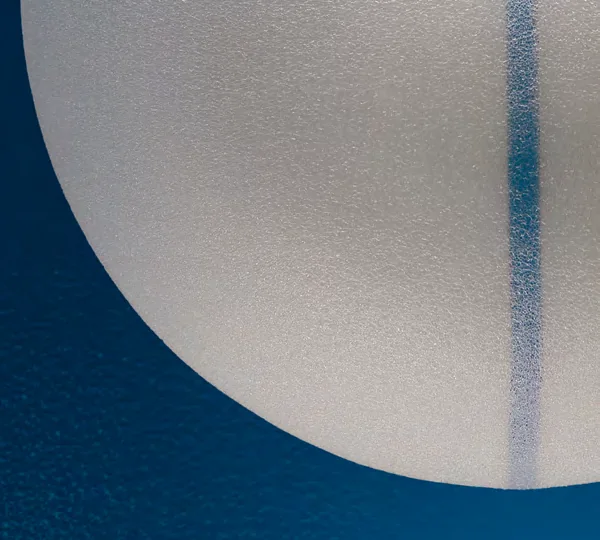
| Implants or your own fat | Volume, proportions, and contour with medical planning. | Guarantee an identical shape across all anatomies. | Real enlargement |
Do pectoral exercises make breasts grow?
Push-ups, bench presses, chest flyes, and other exercises can strengthen and develop the pectoralis major. In some women, this makes the chest look firmer or improves posture, particularly when there was little muscle initially. It does not increase breast gland tissue or fat, lift the nipple, or independently correct a deflated or sagging breast.
The cosmetic effect is not always what you expect. In our clinical experience, pronounced development of the upper pectoral muscle can emphasize the contrast with a deflated or low-positioned breast. This is not a reason to avoid training—exercise has many benefits—but a reminder that building muscle and enlarging the breast are anatomically different goals.
Are there foods that make breasts grow?
No food can send fat or glandular growth solely to the breasts. Adequate, varied nutrition is necessary for normal development and hormonal health, but eating more of a particular food cannot control breast size.
Soy contains isoflavones, plant compounds with much weaker estrogenic activity than human estrogens. Eating soy as part of a normal diet has not been shown to produce clinically meaningful breast enlargement. The same applies to other foods promoted for their phytoestrogens: a molecule's interaction with hormone receptors does not mean it produces visible, safe breast enlargement.
Are there vitamins or supplements for breast enlargement?
No vitamin selectively enlarges the breasts of a healthy adult woman with adequate nutrition. If someone is underweight, has stopped menstruating, follows a very restrictive diet, has symptoms suggesting a deficiency, or may have an eating disorder, medical and nutritional assessment is appropriate. Malnutrition severe enough to limit development is uncommon outside specific circumstances, including some eating disorders.
Correcting a genuine deficiency helps restore health and normal development when still appropriate, but it does not turn supplements into a cosmetic breast-enlargement treatment. Taking vitamins “just in case” does not replace investigating the cause.
“Breast enhancement” products often combine fenugreek, fennel, saw palmetto, wild yam, or other plants. Mayo Clinic explains that these supplements are unlikely to work and can interact with medication.2 A medical review specifically examining herbal breast-enhancement products likewise found no clinical evidence of efficacy and warned of possible risks.3
Can you enlarge your breasts in a week or by two cup sizes?
Not naturally, genuinely, and permanently. In seven days, menstrual fullness, fluid retention, posture, or appearance with a bra can change. An irritating product may also cause inflammation. None of this creates the stable breast volume implied by an increase of one or two cup sizes.
A promise combining a very short timeframe, an exact cup-size increase, and a product without medical evaluation has three warning signs.
Do creams, oils, massage, or acupuncture work?
A moisturizer can improve the feel and appearance of the skin. Massage may temporarily increase local circulation, create a feeling of fullness, or help you become familiar with your breasts. It does not penetrate tissues to create new gland tissue or fat, or permanently change breast position.
Oils have no special ability to increase volume. There is also no strong clinical evidence that acupuncture makes breasts grow. If a technique causes pain, irritation, bruising, discharge, or persistent inflammation, stop and seek assessment.
Does gaining weight make breasts bigger?
Breasts contain a variable proportion of fat, so some women notice more volume with weight gain and less with weight loss. Others change very little. Genetics largely determines where fat is deposited, and the two breasts do not always respond identically.
We do not advise deliberately gaining weight solely for this purpose. You cannot choose how much volume reaches the breasts; fat may increase in the abdomen, arms, hips, or elsewhere, and the result may disappear with weight loss. If someone is underweight or has a nutritional problem, the priority is restoring health through an individualized plan, not pursuing a particular cup size.
Until what age do breasts grow?
The onset and pace of puberty vary greatly. Breast development is usually one of the earliest signs and can continue for several years. It is normal for one breast to start earlier, grow faster, or look different for a time; mild asymmetry is very common.
The American Academy of Pediatrics generally places the onset of female puberty between ages 8 and 13.4 Seek advice if breast development progresses before age 8 or has not begun by around 13. These are thresholds for assessing development, not diagnoses by themselves.
An assessment is also appropriate for very marked differences, persistent pain, a lump, discharge, significant weight loss, absent periods when they should have begun, or concern affecting well-being. Planned Parenthood also provides an accessible explanation of the wide normal variation in breast shape, size, and development.5
When to seek advice about small, asymmetric, or changing breasts
Small breasts or longstanding, stable asymmetry are usually part of normal variation. Assessment is especially useful when development does not fit the person's age, a change is new, one-sided, or progressive, or other symptoms are present.
DevelopmentBefore 8 or not started around 13
A pediatrician or endocrinologist should assess this in the full context of puberty.
A recent changeOne breast changes size or shape
Especially if it progresses or does not coincide with a known menstrual, pregnancy, or weight change.
ExaminationA lump, hard area, or skin change
Also nipple retraction, discharge unrelated to breastfeeding, redness, or persistent inflammation.
General healthLow weight, absent periods, or a possible eating disorder
The aim is to assess nutrition, hormonal health, and well-being, not treat the breasts in isolation.
Which medical options actually increase breast volume?
Once development is complete, if the goal is an appreciable, lasting increase in volume, current options are surgical. The choice is not simply about a desired cup size: breast base, chest, skin, gland tissue, available fat, asymmetry, and patient preferences must be assessed. This article keeps the explanation brief rather than replacing procedure-specific information.
Fat transfer can achieve useful results in selected patients, but the literature shows variation in techniques and volume retention. This makes it important to explain the possibility of touch-ups or additional sessions.6 For implants, the AEMPS recommends an informed decision about benefits, risks, and follow-up.7
How we plan natural-looking breast augmentation
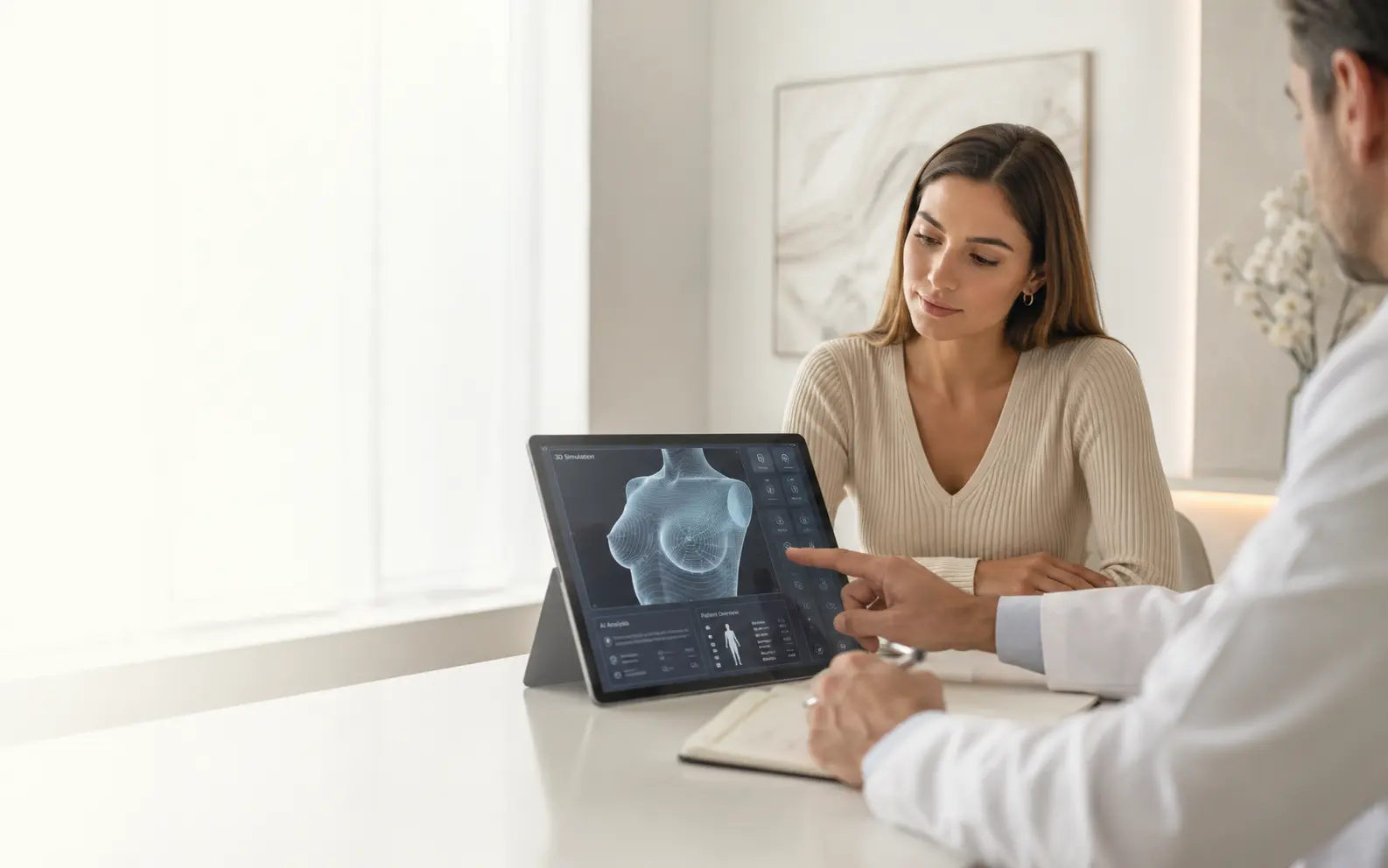
A natural result respects breast width, centers volume consistently with the nipple, maintains a proportionate transition to the chest, and uses projection that the tissues can cover. The aim is not to copy a photograph but to adapt volume and shape to actual anatomy.
The interactive gallery lets you compare cases by volume, height, weight, implant shape, and technique. Looking for patients with a similar starting point is more useful than choosing only the most eye-catching photograph.
Interactive gallery
Compare anatomies, volumes, and techniques
Filter real cases by the variables that most influence the result.
View before and after →
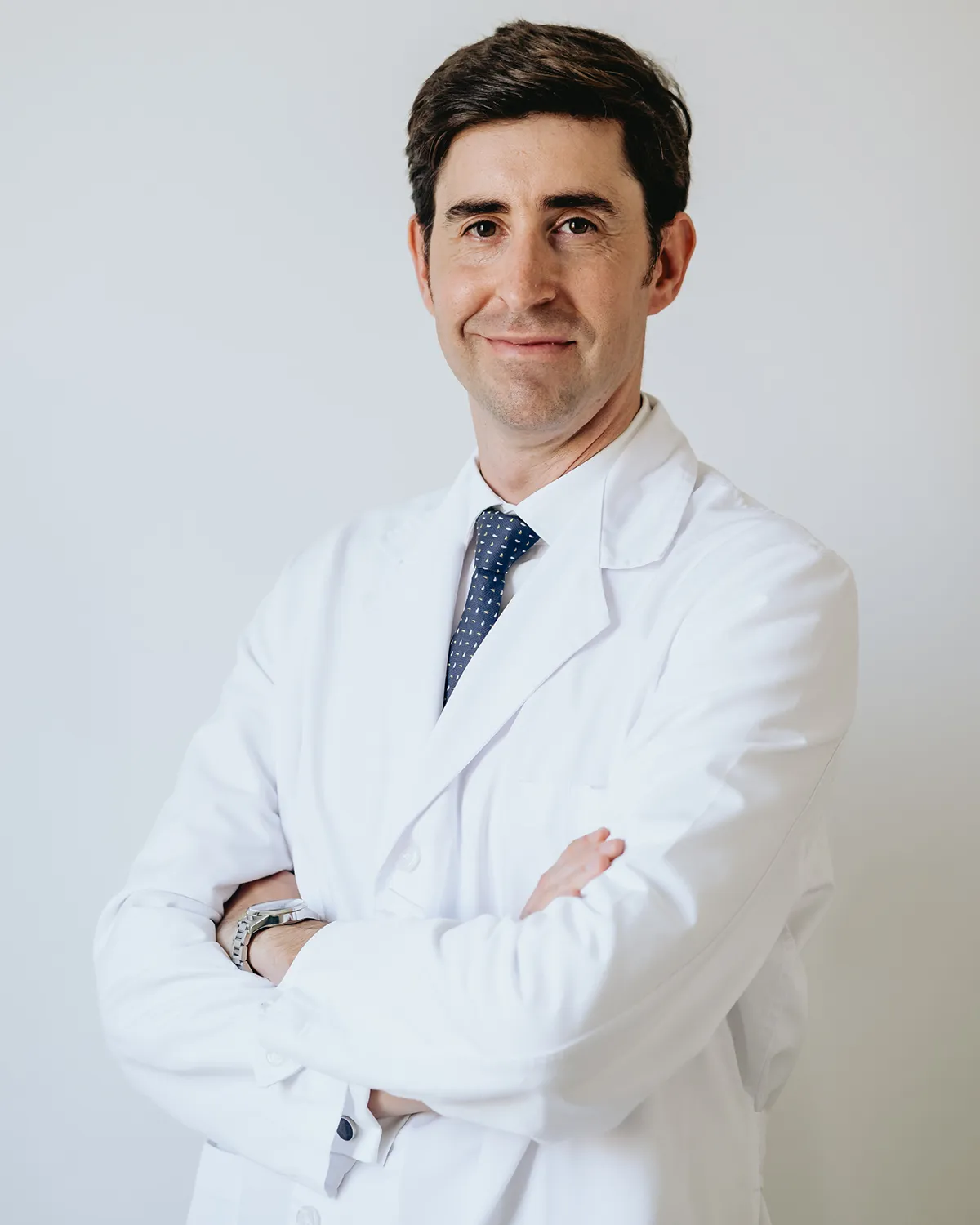
I am Dr. Jorge Aso
I completed Spain's MIR specialist training in Plastic, Aesthetic, and Reconstructive Surgery and hold a PhD in Medicine cum laude. In breast consultations, an important part of my assessment is separating realistic wishes from promises that anatomy cannot fulfill.
If an adult woman wants more volume, I do not start by choosing a cup size. I measure the chest and breast base, assess skin, gland tissue, asymmetry, and coverage, and discuss what an implant, fat transfer, or not having surgery can offer. The most natural solution is the one that fits her tissues and priorities, not one presented as universal.
Questions about growing breasts naturally
How can I grow my breasts naturally?
How can I enlarge my breasts in a week or by two cup sizes?
Which vitamin makes breasts grow?
Which foods make breasts grow?
Do soy or phytoestrogens enlarge breasts?
Do fenugreek, fennel, or herbal supplements work?
Can massage increase breast size?
Is it normal to have small breasts at 12 or 13?
Can I gain a cup size without surgery?
What is the most natural alternative to implants?
Selected medical sources
- StatPearls / NCBI Bookshelf. Anatomy, Breast.
- Mayo Clinic. Natural Breast Enhancement: Do Supplements Work?.
- Fugh-Berman A. “Bust Enhancing” Herbal Products. Obstet Gynecol. 2003. PMID: 12798545.
- American Academy of Pediatrics. Physical Development in Girls: What to Expect During Puberty.
- Planned Parenthood. Are My Breasts Normal?.
- Seth I et al. Autologous Fat Grafting in Breast Augmentation: A Systematic Review Highlighting the Need for Clinical Caution. Plast Reconstr Surg. 2024. PMID: 37166041.
- Spanish Agency of Medicines and Medical Devices (AEMPS). Patient Information About Breast Implants.
You can care for your breasts without believing impossible promises
Exercise, good nutrition, skin care, and a healthy weight are valuable choices even though they do not enlarge breasts. A question about development or a recent change calls for an assessment of the cause. If an adult woman wants more volume, a useful conversation starts with her anatomy, realistic alternatives, and their limitations.
An assessment does not commit you to surgery. It helps establish what change implants or fat transfer could achieve, what result would be proportionate, and whether an operation is worthwhile for you.