
MIA Femtech and Preservé consultation checklist
Dr Jorge AsoDr. Jorge Aso is a plastic surgeon with extensive academic and clinical training. He leads Dr. Aso Clinic, with a particular focus on breast surgery alongside other aesthetic…
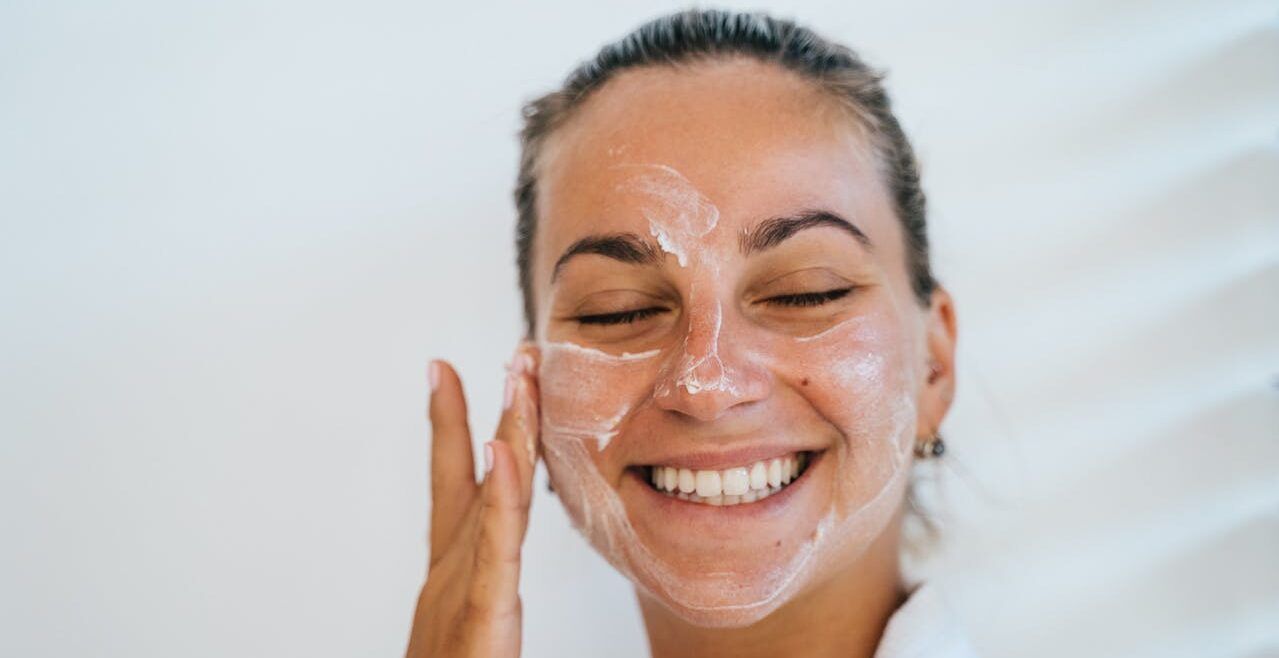
Facial pigmentation · diagnosis, treatment, and prevention
Before treating sun-related dark spots on the face, we need to identify what kind of pigmentation they are. A localized solar lentigo, melasma, and a dark mark left by a pimple can all worsen with sun exposure, but they do not have the same cause or respond in the same way to creams, lasers, or intense pulsed light.
Some lesions can become much lighter; others need ongoing control and maintenance. The degree of improvement and how long it lasts depend on the diagnosis, treatment, and subsequent exposure. This guide explains the important distinctions, available options, and when a spot should be assessed before cosmetic treatment.
“Hyperpigmentation” means that an area of skin is darker. It describes a color change, not its cause. These are three common situations, but other lesions can look similar and need examination.
| Type of pigmentation | Typical appearance | How treatment differs |
|---|---|---|
| Solar lentigo | A flat, well-defined brown spot on sun-exposed skin. There may be one or several, and they usually persist through winter. | If it is confirmed to be benign, treatment directed at the lesion may be considered. Cumulative exposure still contributes to new spots. |
| Melasma | Brown or grayish patches, often symmetrical, on the cheeks, forehead, or upper lip. It may be associated with pregnancy and other hormonal factors. | It is managed as a condition that tends to recur. Sun protection and topical treatments are usually part of the plan; procedures require careful selection. |
| Post-inflammatory hyperpigmentation | A dark mark where there was previously a pimple, dermatitis, a burn, or another irritation. Sun exposure can intensify it. | Controlling the original inflammation and avoiding further irritation are important. An irritating procedure can darken the mark further. |
References: DermNet: solar lentigo, British Association of Dermatologists: melasma and DermNet: post-inflammatory pigmentation.
Ultraviolet radiation stimulates the production of melanin, the pigment that gives skin its color. Repeated exposure can produce areas of uneven pigmentation. Age and cumulative exposure help explain solar lentigines, but not every type of facial pigmentation.
Individual predisposition and hormonal factors, such as pregnancy or certain contraceptives, also contribute to melasma. Some medicines can affect pigmentation or sun sensitivity. Tell your clinician what you take, but do not stop medication on your own.
The sequence of events matters too: a mark where acne or irritation occurred is not necessarily a solar lentigo. Post-inflammatory marks can last longer and be more pronounced in darker skin. Applying the same procedure to every type of pigmentation can therefore produce very different outcomes.
Before lightening a spot
A new lesion, one that changes in size, shape, or color, or one that bleeds or develops a persistent crust needs medical assessment. Seek advice too if it looks different from your other spots or you are unsure what it is. Do not try to remove it with a laser, IPL, or acids before clarifying the diagnosis.
Assessment may include dermoscopy and, when there is uncertainty, further investigations or a biopsy. A confirmed solar lentigo is benign; the problem is assuming that every pigmented lesion is benign. The AAD recommends confirming the diagnosis before treating a presumed age spot.
Dr. Jorge Aso Clinic
At our clinic, we first establish what type of pigmentation the patient has. We do not propose the same treatment for a localized solar lentigo, melasma, and a mark left after inflammation.
Once a lesion is confirmed to be a benign solar lentigo, we assess options directed at that lesion. Laser or intense pulsed light may be suitable, but the indication depends on skin type, tanning, and the characteristics of the spot.
We are particularly cautious with melasma. We prioritize sun protection—including protection against visible light—and an individualized, supervised topical treatment plan. We explain from the outset that it can improve but tends to recur and often needs maintenance. We do not automatically recommend laser or IPL, as these can worsen pigmentation in some cases.
We do not regard vitamin mesotherapy or microdermabrasion as the main treatments for resolving these types of pigmentation.
If the diagnosis is uncertain, the lesion is changing, or melasma is complex or resistant to treatment, we recommend assessment by a dermatologist before continuing with cosmetic procedures. Our aim is a reasonable improvement without unnecessary risks.
Options depend on the type and extent of the lesion, skin phototype, skin tolerance, and previous treatments. A tan, active inflammation, or difficulty avoiding sun exposure can also change the plan. No device or cream is the best choice for every case.
A pigmentation-care routine may contain ingredients such as hydroquinone, azelaic acid, kojic acid, or niacinamide. They do not have identical indications or the same level of evidence, and a medicine should not be confused with a cosmetic. The combination and duration matter as much as the ingredient's name.
Hydroquinone requires supervised use: it can irritate, and inappropriate or prolonged use can cause changes in pigmentation. It should not be applied to damaged or irritated skin. The AEMPS product information in Spain advises against use during pregnancy and breastfeeding. This is not a recommendation to self-medicate or to use it indefinitely as a maintenance cream.
Some lasers direct energy at pigment; others work through skin resurfacing. “Laser” does not describe a single technology or a universal protocol. A confirmed solar lentigo may be suitable for treatment, but that indication does not automatically apply to melasma.
More than one session may be needed. Aftercare, downtime, and risks such as unwanted darkening or lightening, burns, and scarring should be explained. Skin phototype and treatment settings matter; a stronger reaction does not necessarily mean a better outcome.
Intense pulsed light uses a filtered spectrum of light, unlike a laser. It can help selected benign sun-related pigmentation after assessment of the skin and lesion. Treating several spots in one area does not make it appropriate for every type of facial pigmentation.
IPL is not an automatic choice for melasma. It requires especially careful assessment because of the possibility of recurrence and pigment changes. Having melasma does not mean that a light-based procedure is the best option.
A chemical peel produces controlled exfoliation. Glycolic, salicylic, and mandelic acids are among the agents used; they are not interchangeable or suitable for every skin type. Depth, concentration, and combinations need to be individualized.
They can be part of a selected treatment plan, but excessive irritation can leave more pigmentation, particularly in susceptible skin. Do not try to reproduce a professional peel at home or repeatedly exfoliate in an attempt to accelerate lightening.
Microdermabrasion mechanically exfoliates the surface using crystals or specialized tips. It may require several sessions and has been used for selected age spots, but it does not replace diagnosis or, on its own, resolve every deeper pigmentation problem or melasma.
Tolerance depends on treatment intensity and the condition of the skin; irritation is also possible. The AAD includes this technique and cryotherapy among options for selected lesions. These are different procedures, with their own indications and aftercare.
“Mesotherapy” describes a way of administering substances through small injections, not one specific treatment. Mentioning vitamins or antioxidants without identifying the product, indication, and evidence is not enough to assess its value for a pigmented lesion.
Results for a specific substance cannot be attributed to every vitamin combination. Before considering this option, establish which product is proposed, its risks, and the evidence supporting it for that diagnosis. Improving hydration or overall skin appearance is not the same as treating the cause of pigmentation.
A diagnosis that changes the plan
Melasma tends to persist or recur. It is not simply a localized pigment deposit that can always be erased by a procedure. The aim is usually to lighten it, control aggravating factors, and maintain the improvement.
The plan may combine sun protection, well-tolerated skin care, and topical treatments. Other medical options or procedures can be considered in selected cases, but peels and light- or laser-based treatments can cause pigment changes, especially in darker skin phototypes. They should not be offered without explaining this balance of benefit and risk.
Treatment choices change during pregnancy: hydroquinone and retinoids should be avoided, and any skin-lightening treatment should be reviewed with the patient's clinician. Pregnancy-associated melasma may improve afterward, although it does not always disappear.
Sources: BAD: melasma and precautions and AAD: diagnosis and treatment.
For skin prone to pigmentation, an SPF 50+ sunscreen with UVA and UVB protection is a practical choice. Apply enough to exposed areas and reapply during exposure, approximately every two hours and after swimming, sweating, or towel-drying. A high SPF does not allow unlimited time in the sun.
Visible light also matters in melasma. A tinted sunscreen containing iron oxides can provide additional protection; do not assume that any makeup or tinted cream does this. The AAD recommends this specific protection alongside non-irritating skin care.
Avoid intense midday exposure and combine sunscreen with shade, a broad-brimmed hat, sunglasses, and suitable clothing. Clouds do not eliminate UV radiation. Protection should reflect each day's exposure, rather than being reserved for beach days. Find more advice in our guide to protecting your skin from the sun.
Reference: AEMPS sun-protection advice.
Vitamin C, vitamin E, and ferulic acid can form part of a cosmetic routine. That does not make every serum a proven treatment for every dark spot. Their value depends on formulation and tolerance; they do not replace sunscreen or justify applying many products to irritated skin.
Lightening a lesion does not erase cumulative exposure or prevent new spots. Follow the recommended sun-protection measures before and after the procedure. If crusts or peeling develop, follow the aftercare instructions and do not pick at them.
Moisturizing can help keep skin comfortable. Glycerin, topical hyaluronic acid, and shea butter are examples of moisturizing ingredients. Choose a well-tolerated formula, without assuming that hydration is the same as pigment reduction.
Do not add exfoliants, acids, or retinoids on your own after a procedure. When they can be reintroduced depends on the technique and skin recovery. A product that burns or causes persistent irritation is not working better because of that reaction.
Outcomes are assessed differently for different types of pigmentation. A treated solar lentigo may improve locally; melasma usually needs a more gradual process and follow-up. The AAD notes that melasma treatment may take months to show results. No number of sessions can be recommended without knowing the diagnosis and technique.
Before starting, agree on the expected improvement, when the response will be reviewed, likely discomfort or changes, and when to contact your clinician. This information is more useful than a generic promise of “spot-free skin.”
Not necessarily. Solar lentigines usually persist despite reduced exposure. Melasma can fluctuate, but becoming lighter for a season does not mean it has resolved. Post-inflammatory marks may also take time to fade.
It depends on the diagnosis. A localized sun spot and melasma are not managed in the same way. Topical treatments may form part of a gradual plan; a procedure can help selected lesions but brings additional risks and aftercare. The choice is not simply about which seems faster.
Yes. Some procedures can cause hyperpigmentation or lighter patches, especially if the indication is unsuitable or the skin becomes irritated. Assessing this risk is particularly important in melasma and pigmentation-prone skin.
The season is not the only consideration. Tanning, planned exposure, the procedure, and the ability to follow aftercare all matter. There is no blanket approval to treat any dark spot in summer; timing must suit the individual case.
They are not a reliable solution for an undiagnosed lesion. Irritating mixtures and strong home peels can worsen pigmentation. The foundation is protecting the skin, avoiding further irritation, and identifying the spot before selecting treatment.
A product is not automatically safe just because it is applied to the skin. Hydroquinone and retinoids should be avoided during pregnancy. Review the ingredients and any treatment with your clinician; sun protection remains important.
A useful estimate requires a diagnosis, an assessment of extent, and a proposed technique. Ask for a plan distinguishing initial treatment, follow-up, and possible maintenance. Comparing session packages without knowing the type of pigmentation can lead to an unsuitable choice.
A lesion that looks like a sun spot may have another diagnosis. If it is new, changing, bleeding, persistently crusted, or different from your other spots, it should be assessed before any attempt to lighten it. This guide cannot confirm remotely that a lesion is benign.
Before choosing a cream, peel, or light-based treatment, seek an assessment explaining the diagnosis, alternatives, and limitations. If the nature of the lesion is uncertain, dermatological evaluation takes priority over cosmetic treatment.
For a consultation with Dr. Aso'steam, you can contact the clinic. This article provides general information and does not replace an individual assessment.
The recommendations draw on dermatological societies, AEMPS documentation, and published studies. The sources let you check the information in each section; they are not the clinic's own results and do not guarantee an individual response.
Medical authorship
Specialist in Plastic, Aesthetic and Reconstructive Surgery (Spanish MIR training)
Medical registration no. 2828/61062 · Madrid
About Facial Sun Spots: Diagnosis, Treatment, and Prevention: clinical information, safety and expectations. Based on the original Spanish content.
Translation does not constitute a new medical review. This information does not replace an individual medical assessment.
View profile, training and credentialsReferences support the general medical information. Suitability, alternatives, and risks are discussed individually during consultation.
Dr Jorge AsoDr. Jorge Aso is a plastic surgeon with extensive academic and clinical training. He leads Dr. Aso Clinic, with a particular focus on breast surgery alongside other aesthetic…
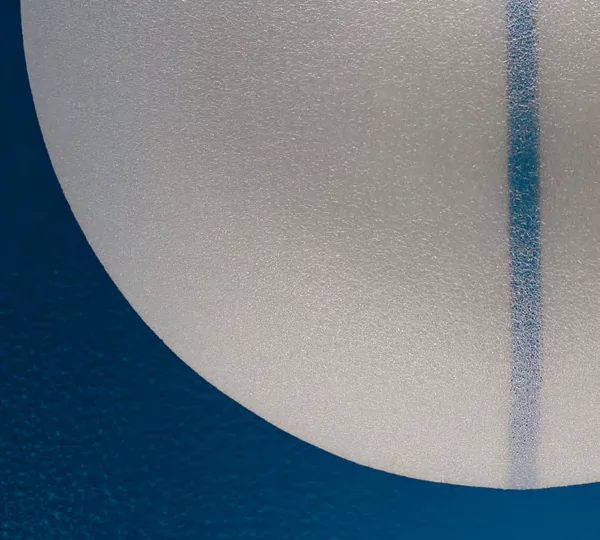
Explore B-Lite lightweight breast implants: weight reduction, feel, benefits, limitations, extra cost, and when Dr. Aso recommends MESMO or MICROTHANE.

Dr Jorge AsoDr. Jorge Aso is a plastic surgeon with extensive academic and clinical training. He leads Dr. Aso Clinic, with a particular focus on breast surgery alongside other aesthetic…
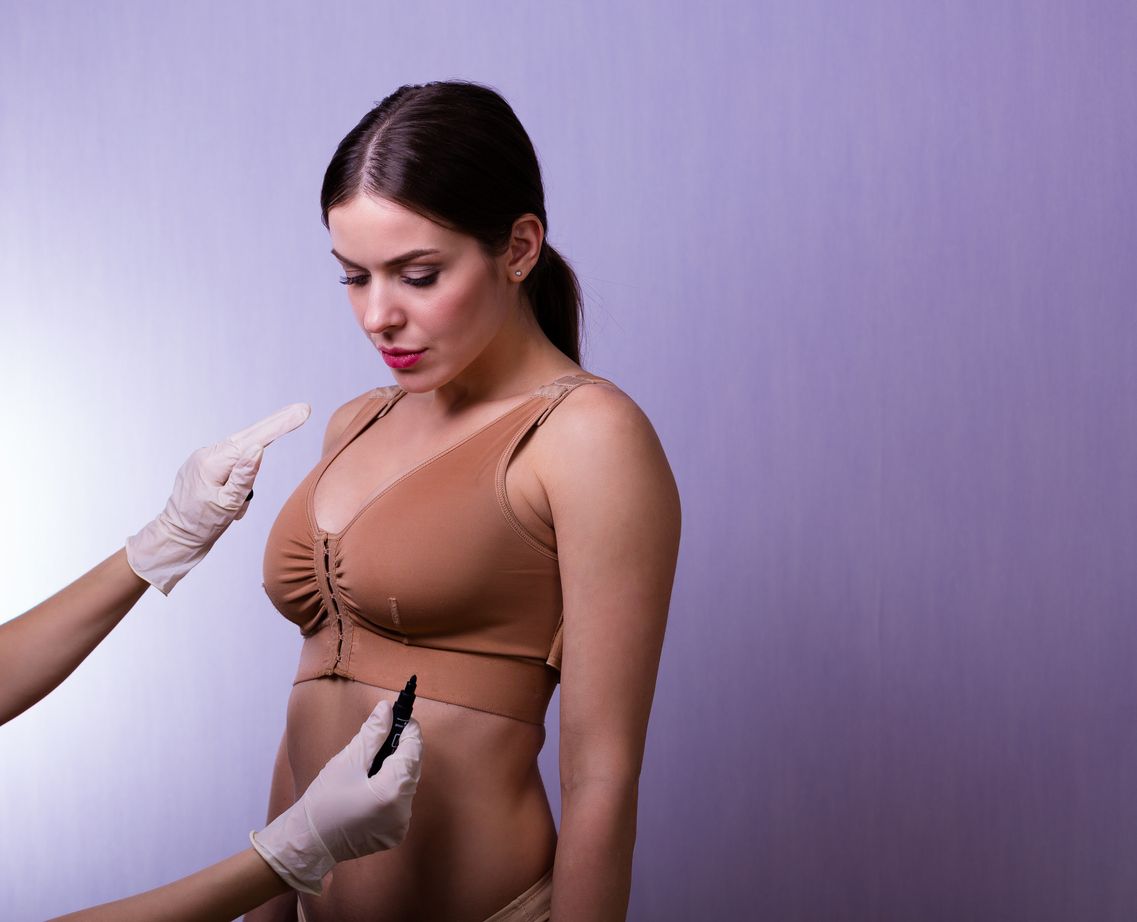
Dr Jorge AsoDr. Jorge Aso is a plastic surgeon with extensive academic and clinical training. He leads Dr. Aso Clinic, with a particular focus on breast surgery alongside other aesthetic…