
Aesthetic concerns
- A crooked or deviated nose.
- A nasal hump.
- A drooping, broad, asymmetric, or poorly supported tip.
- Visible changes following an injury or previous surgery.
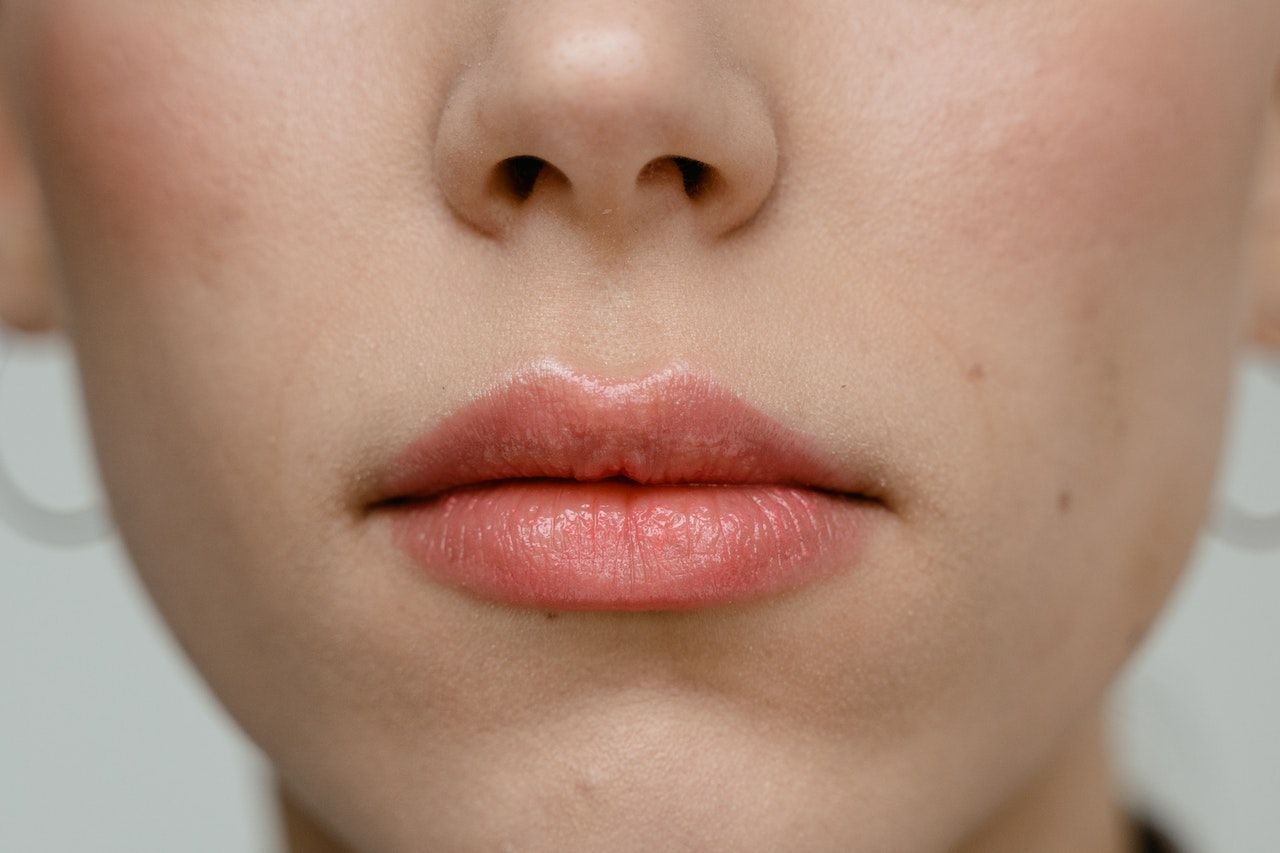
Septorhinoplasty addresses the external shape of the nose and, at the same time, the internal structures that may interfere with breathing. The aim is not to combine two unrelated operations, but to plan an aesthetically balanced, stable, and functional nose as a whole.
It is surgery that combines rhinoplasty with functional correction of the nasal septum. Depending on the diagnosis, it may also address the turbinates and nasal valves. It may be appropriate when an aesthetic concern—a crooked nose, a hump, a drooping or disproportionate tip—coincides with breathing obstruction or a structural deformity that should be corrected as part of an integrated plan.
The nose consists of bone, cartilage, and soft tissue. Its shape and function can change through development, aging, injuries, previous surgery, or disease. Septorhinoplasty therefore involves more than simply “repositioning the septum”: it requires understanding how the bridge, tip, septum, turbinates, and nasal valves interact.
These terms describe the main aim of each procedure, although in practice planning must be tailored to each patient’s actual anatomy.
| Procedure | Main aim | What it can address | What not to assume |
|---|---|---|---|
| Rhinoplasty | Change the shape, proportions, and support of the nose. | The bridge, hump, tip, width, external deviation, and effects of injury. | It is not necessarily “cosmetic only”: sound planning always respects nasal function. |
| Septoplasty | Correct a deviated or deformed septum. | Obstruction caused by the septum and problems with its support. | It does not, on its own, correct every breathing problem or every external deviation. |
| Septorhinoplasty | Integrate external appearance and breathing function. | The nose and septum; where indicated, the turbinates and nasal valves too. | It is not the same operation for everyone: the plan depends on the diagnosis and agreed goals. |
It may be suitable when aesthetic and functional concerns are connected, or when correcting one without addressing the other would compromise the outcome. Common situations include:
Rhinitis, chronic inflammation, turbinate enlargement, nasal valve problems, and other causes can coexist. Before recommending surgery, it is essential to identify which structures are responsible for the symptoms and which component may improve with medical treatment.
Planning begins with a detailed medical history: how long the obstruction has been present, whether it affects one or both nostrils, how it changes during sleep or exercise, and any history of injury, allergies, or previous surgery. We then assess the nose externally and internally.
We assess deviation, tip support, symmetry, the septum, turbinates, and the behavior of the nasal valves during inhalation. Nasal endoscopy or other tests are reserved for cases in which they provide useful information.
We take standardized photographs and study the nose in relation to the forehead, lips, chin, and face as a whole. Simulations help us discuss goals, but they are not an exact promise of the outcome.
Good breathing depends on several structures. Correcting only the most obvious problem may leave another important area untreated.
This is the wall of cartilage and bone separating the nostrils. A deviation can narrow the airway and may also contribute to a crooked appearance.
They humidify and filter the air. When enlarged, they can worsen obstruction; treatment should preserve their function as much as possible.
These are the narrowest segments of the nasal airway. If they lack support or collapse during inhalation, specific techniques or grafts may be needed to reinforce them.
It is usually performed under general anesthesia. Surgery may take between two and five hours, depending on complexity, previous injuries or operations, and the need to reconstruct nasal support.
In a closed approach, the incisions are inside the nostrils. An open approach adds a small incision across the columella—the skin separating the nostrils—to improve exposure of the structures. Neither approach is best for every case: we choose the one that provides the control required with the least reasonable tissue disruption.
After carefully lifting the skin and soft-tissue envelope, we reshape or reposition bone and cartilage. When needed, we use grafts—often from the patient’s own septum—to support the tip, straighten the nose, or maintain open nasal valves.
Osteotomies are controlled cuts in the nasal bone that allow it to be narrowed or repositioned. Ultrasonic technology can perform this bone work very precisely, but it does not replace diagnosis, septal correction, or the other components of surgery.
Septoplasty is tailored to the specific deformity and must preserve adequate support. Where the diagnosis calls for it, conservative turbinate treatment and nasal valve reinforcement are included.
These are our team’s usual guidelines after septorhinoplasty. They may be adjusted when the reconstruction or a patient’s recovery calls for a different approach.
We keep it in place for approximately seven days to protect and stabilize the bones. We only omit it when no osteotomies have been performed, which is uncommon in our practice.
After septorhinoplasty, we usually keep them in place for one week. In complex reconstructions, they may remain for up to two weeks.
We use cylindrical silicone splints with a hollow central channel as nasal packing. Unlike traditional solid packing, this design allows air to pass through, although swelling and secretions can cause congestion during the first few days.
They have three purposes: they help control bleeding, limit movement and displacement of the septum as healing begins, and keep internal surfaces apart to reduce the risk of scar adhesions.
The literature questions the indiscriminate use of solid packing after septal procedures. Our protocol refers to hollow internal splints in septorhinoplasty: they stabilize the septum and maintain an airway without completely blocking it.
Recovery varies with the type of surgery, extent of osteotomies, reconstruction performed, and individual response. This timeline is a guide; your team’s personal instructions always take priority.
Swelling, bruising around the eyes, congestion, and moderate discomfort are expected. Pain is usually controlled with the prescribed medication.
We recommend taking things gently, walking at an easy pace, and sleeping on your back with your head elevated. The external splint and usually the internal splints are removed around the seventh day.
Much of the bruising and visible swelling subsides. Many people can return to office work and social activities, although the nose does not yet show its final result.
Do not blow your nose until your team gives permission. You can breathe gently through it; sneezing with your mouth open avoids a sudden pressure increase.
Exercise is resumed gradually. Strenuous activity, contact sports, and anything that risks a blow to the nose require more time and individual advice.
Residual swelling, particularly at the tip, decreases slowly. Final definition may take between 12 and 18 months after complex surgery or in patients with thick skin.
Septorhinoplasty is complex surgery. Although recovery is usually uneventful, potential complications include bleeding, infection, changes in sensation, unfavorable scarring, asymmetry, irregularities, persistent obstruction, septal perforation, changes in smell, or the need for revision surgery.
You can see a change when the splint is removed, but this is not the final result. During the first few weeks the nose is swollen, and breathing may even seem worse because of swelling, secretions, and crusting. Function improves gradually as the airway heals.
Structural changes are usually long-lasting, but they should not be described as a “permanent” guarantee: aging, an injury, and healing itself can alter appearance or function over time. Careful planning aims for a proportionate, stable nose that suits the face, not an identical shape for everyone.
Clinical cases are more informative when lighting, distance, position, and follow-up timing are comparable. We plan to add a selection of our own cases to this section with their clinical context; they will not replace an individual assessment.
Our rhinoplasty treatment page explains planning, technical options, and the consultation process. This article focuses on information and recovery rather than duplicating the purpose of the treatment page.
Medical authorship
Specialist in Plastic, Aesthetic and Reconstructive Surgery (Spanish MIR training)
Medical registration no. 2828/61062 · Madrid
About Septorhinoplasty: Procedure, Recovery, and Nasal Breathing: clinical information, safety and expectations. Based on the original Spanish content.
Translation does not constitute a new medical review. This information does not replace an individual medical assessment.
View profile, training and credentialsReferences support the general medical information. Suitability, alternatives, and risks are discussed individually during consultation.
Dr Jorge AsoDr. Jorge Aso is a plastic surgeon with extensive academic and clinical training. He leads Dr. Aso Clinic, with a particular focus on breast surgery alongside other aesthetic…
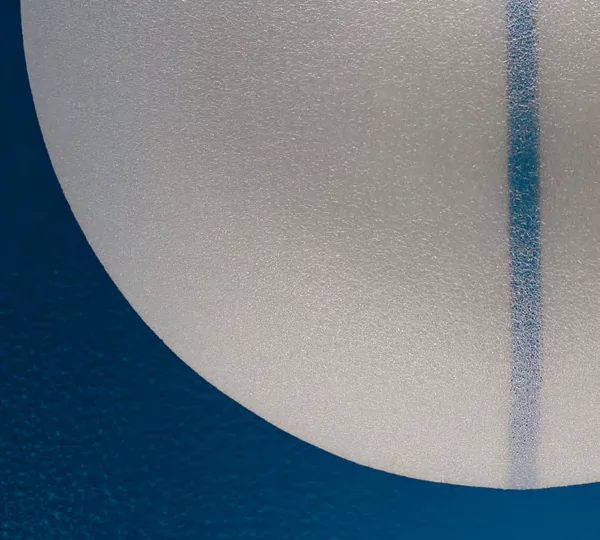
Explore B-Lite lightweight breast implants: weight reduction, feel, benefits, limitations, extra cost, and when Dr. Aso recommends MESMO or MICROTHANE.

Dr Jorge AsoDr. Jorge Aso is a plastic surgeon with extensive academic and clinical training. He leads Dr. Aso Clinic, with a particular focus on breast surgery alongside other aesthetic…
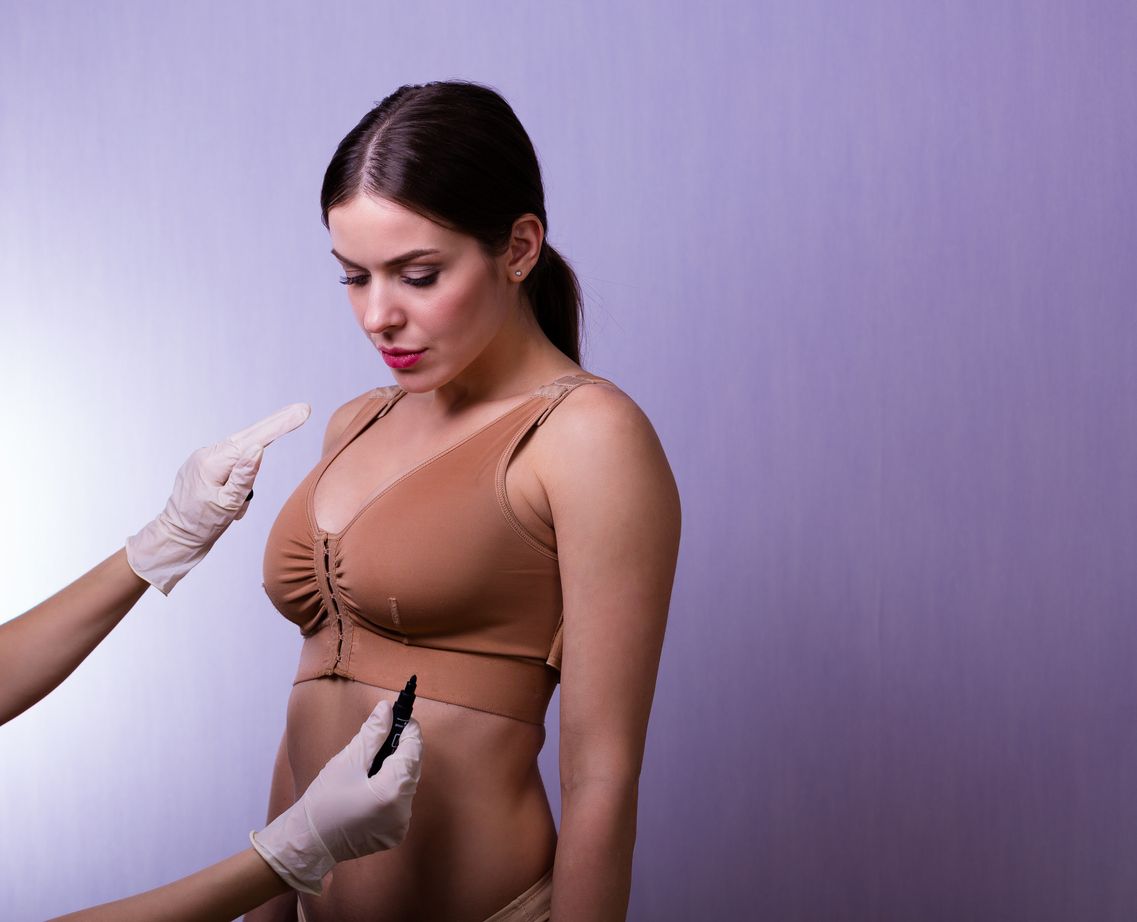
Dr Jorge AsoDr. Jorge Aso is a plastic surgeon with extensive academic and clinical training. He leads Dr. Aso Clinic, with a particular focus on breast surgery alongside other aesthetic…