
Ear surgery · Madrid
Otoplasty in Madrid, Spain
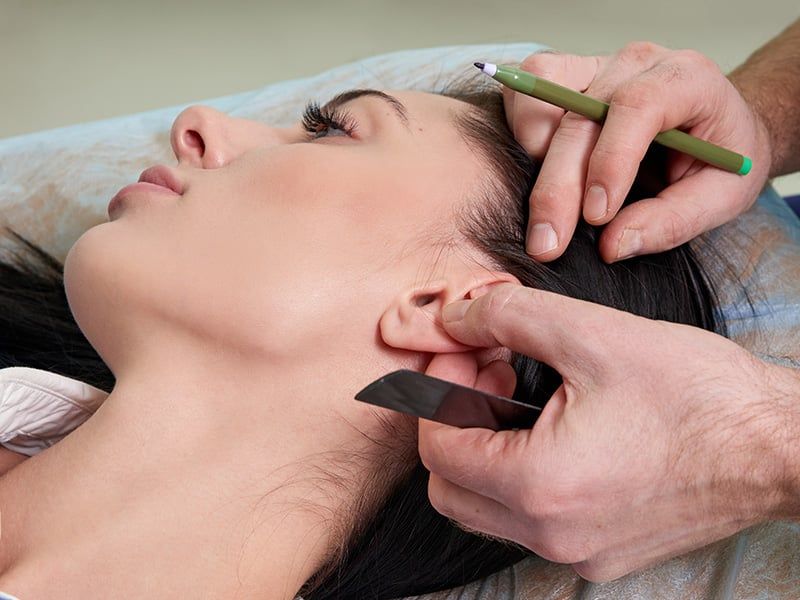
Personalized ear surgery. This is not simply about bringing the ears closer to the head. We assess the antihelix, concha, earlobe, size, and differences between the two sides to plan a natural position in proportion with your face.
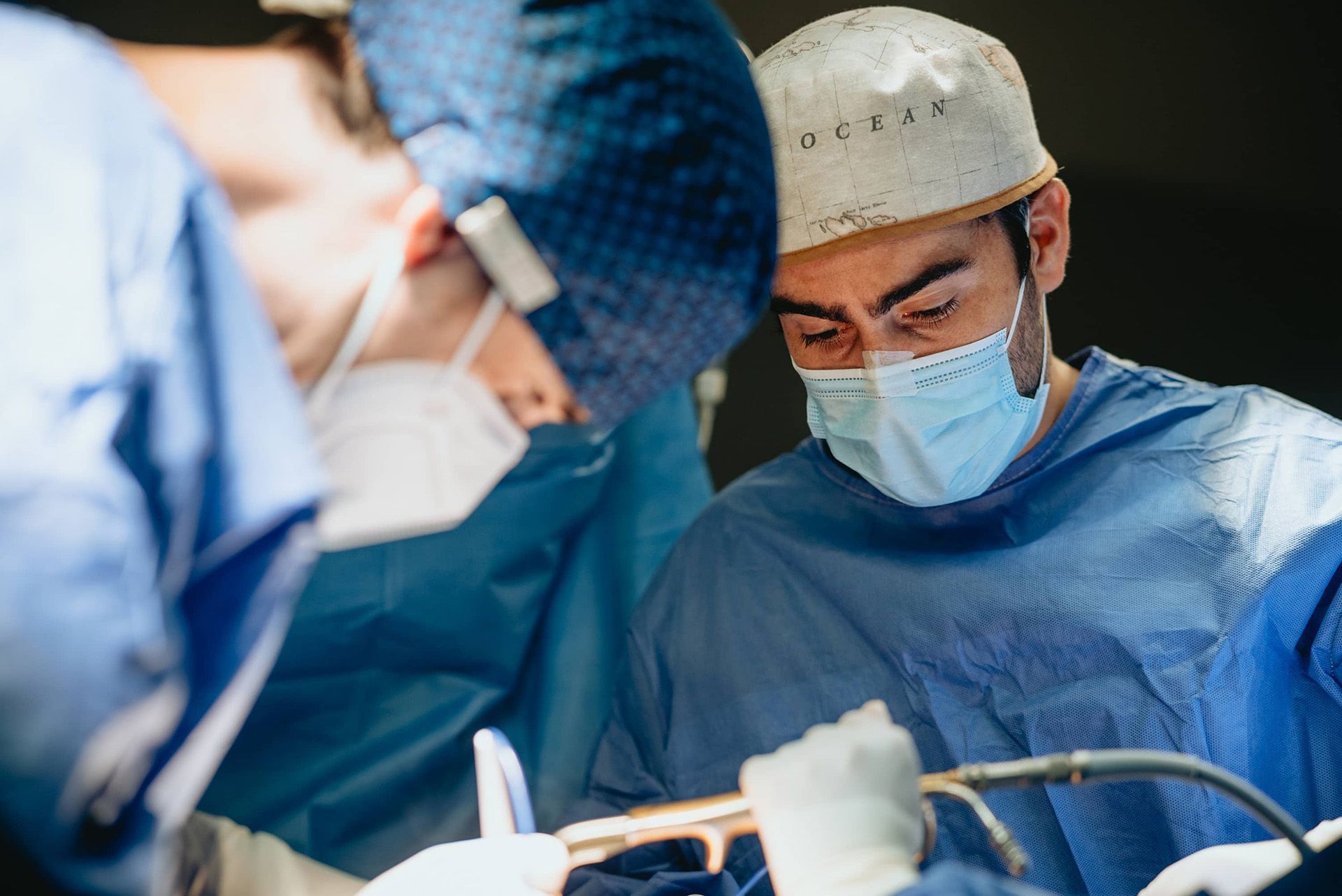
In adults, we usually use local anesthesia and sedation, without an overnight stay. In children, we use general anesthesia.
A direct answer
What can otoplasty correct?
Otoplasty reshapes and repositions the external ear when it is overly prominent, asymmetric, or out of proportion. It does not change hearing. Its purpose is cosmetic and, for many people, it can help address self-consciousness that affects hairstyles, photographs, or social situations.
Prominent ears
We reduce prominence by addressing the structures responsible, without placing the ears unnaturally close to the head.
Asymmetry
We can bring the shape and projection of the two sides closer together, while explaining that no face or pair of ears is perfectly symmetric.
Shape and earlobe
Planning may address an underdefined antihelical fold, an enlarged concha, or differences in earlobe size and position.
Size or deformity
In selected cases, we combine treatment with overall ear reduction or correction of deformities and previous surgery.
An individualized technique
Anatomy determines what needs to change
We most often work through a posterior incision, hidden in the fold behind the ear. This allows us to reshape the cartilage and stabilize its new position. Not everyone needs the same surgical steps.
Planning and simulation
We compare both sides and simulate the intended position in a mirror. We decide how much to correct while maintaining a natural appearance.
Antihelix
When the fold is underdefined, we carefully weaken or abrade the cartilage and shape it using internal sutures.
Concha
If the concha is deep or pushes the ear outward, we address it and may secure it to the mastoid region to rotate the external ear backward.
Final adjustments
We check symmetry, tension, and contour. If needed, we add earlobe treatment, size reduction, or another correction.
“Good otoplasty does not make every ear look the same: it addresses the anatomical cause on each side and maintains a natural-looking distance from the head.” — Dr. Jorge Aso
The literature does not identify one superior technique for every case. A recent systematic review suggests potential advantages of hybrid approaches, but notes that the evidence remains mainly retrospective. We therefore choose the surgical steps according to anatomy, rather than applying one fixed formula.
An increasingly common question
Do we recommend nonsurgical ear reshaping?
In our practice, we do not currently recommend thread lifting or gold implants intended to bring the ears closer to the head. Dr. Aso tried these alternatives years ago and stopped using them after observing recurrence, extrusion, and irregularities.
An apparently smaller procedure is not necessarily more predictable. When surgery is appropriate, we prefer carefully planned surgical otoplasty because it allows us to address the underlying cartilage and control its shape, rather than simply pulling on the skin.
Adults and children
Similar surgery; different considerations and anesthesia
Being an adult does not prevent a satisfactory correction. In children, their own motivation matters alongside anatomy: the decision should not come solely from a family preference.
Local anesthesia and sedation
- This is our usual protocol.
- It does not require intubation or general anesthesia.
- The average observation period is approximately two hours.
- General anesthesia is reserved for patients with a phobia of sedation or when combined with a more extensive operation.
From age 6, when the child has their own concern
- The procedure is performed under general anesthesia.
- We recommend it when the child expresses distress or experiences teasing or difficulties at school.
- We do not recommend surgery solely because of a parent’s preference if the child does not see a problem.
- Support and wound protection are essential.
Scars and expectations
A concealed scar and a result that evolves
The usual incision is behind the ear, within the posterior fold, so it is often difficult to see during everyday conversation or with your hair tied back. Like any scar, it matures over months, and its quality also depends on your skin and individual healing.
The goal is a clear, stable improvement, but we do not promise absolute perfection. Some differences between the sides may remain, and part of the prominence may return over time. If appropriate for the scar, we can consider intraoperative Urgotouch laser treatment at an additional cost.
Experience that supports individual planning
More than 500 otoplasties performed
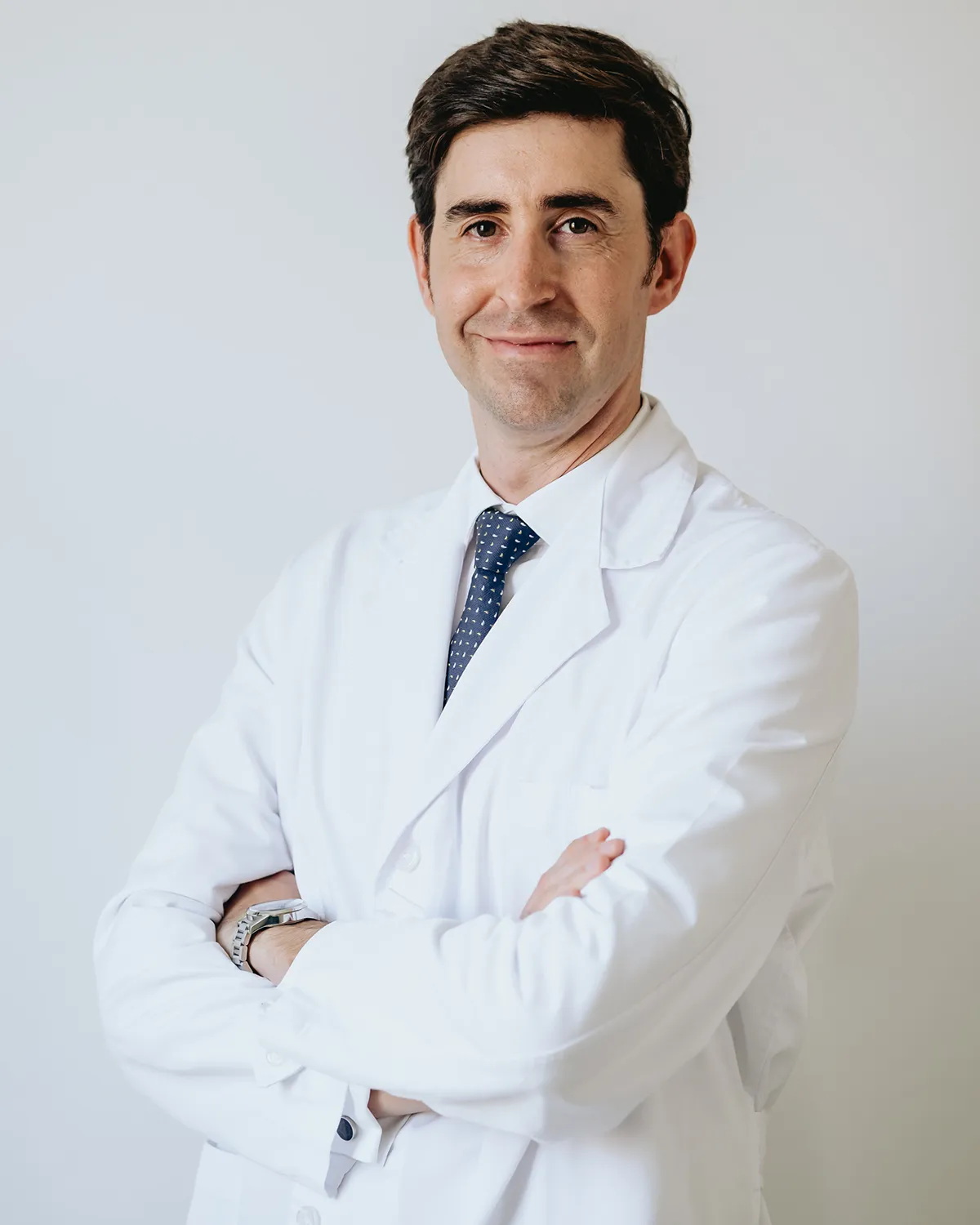
Dr. Jorge Aso currently performs more than 30 otoplasties per year and has performed more than 500 throughout his career. His experience ranges from common antihelix and concha corrections to asymmetry, earlobes, overall ear reduction, deformities, and revision of previous surgery.
His approach is not to use the same technique every time, but to identify the structure responsible and how much correction is needed for a balanced appearance from the front, side, and back.
Hospital safety
Outpatient surgery at HLA Moncloa University Hospital
Otoplasty is usually performed in a hospital operating room with a dedicated anesthesiologist. HLA Moncloa has an intensive care unit accredited for specialist training through the Spanish MIR system and the resources of a hospital providing complex care.
The procedure takes around one hour. If recovery is satisfactory, discharge follows approximately two hours of observation. Only very minor touch-ups may be performed at the clinic.
- Adults
- Local anesthesia and sedation
- Children
- General anesthesia
- Hospital stay
- Outpatient
- Bulky dressing
- We do not use one
Major complications are uncommon
A systematic review involving 3,493 patients reported infection in 0.8%, hematoma or bleeding in 2.5%, and revision surgery or recurrence in 5%, among other events. These figures combine different techniques and populations and do not predict an individual’s risk.
A more recent review of cartilage-sparing techniques estimated recurrence or reoperation at 4.27%, suture erosion at 2.46%, and hematoma or bleeding at 1.34%.
Risks we discuss during consultation: hematoma, infection, wound-healing problems, changes in sensation, palpable or extruded sutures, pain, residual asymmetry, overcorrection, recurrence, and the need for revision surgery. Patient selection, technique, and aftercare affect risk, but do not eliminate it.
An indicative recovery timeline
What is recovery after otoplasty like?
Functional recovery is often relatively quick, although many people prefer to wait until continuous headband use ends before returning to the office or visible social activities.
- Day 0
Discharge after observation
We do not apply a bulky dressing. You start wearing a protective headband and sleep with your head elevated.
- Day 1
Body shower
You may shower from the first day, protecting the area and following your wound-care instructions.
- Days 4–7
First check and hair washing
We usually allow hair washing after checking the wound. The sutures are absorbable and do not require routine removal.
- 1 week
Continuous headband use ends
The headband is worn 24 hours a day during the first week. Office work may be possible from 48 hours, although many people wait until this point so they can return without the headband.
- 2–3 weeks
Headband only at home and while sleeping
It is continued for an additional one or two weeks, depending on recovery.
- 1 month
Side sleeping and exercise
We do not recommend sleeping on your side until one month after surgery. Avoid strenuous exercise during the first month; helmets, contact sports, and activities with a risk of impact require individual advice.
Current indicative pricing
How much does otoplasty in Madrid cost?
The indicative price for a usual primary otoplasty is 3,900 EUR. Your final quote is confirmed after examining both ears and determining whether you need a standard correction, size reduction, earlobe treatment, deformity correction, or revision surgery.
The first consultation costs 100 EUR and includes a medical assessment and discussion of your options. You can choose an in-person or online consultation; current booking conditions are shown before you confirm. We always perform an in-person examination before surgery.
Planning your visit from abroad. If you are considering otoplasty in Spain for yourself or your child, discuss the assessment and proposed procedure before arranging travel. Our Madrid clinic can assist you in English. Agree the in-person examination, required stay, dressing and review appointments, and the follow-up plan after returning home with the team. Read our international patient guide.
Medical assessment
Tell us what you would like to change
The team will review your inquiry and help arrange a consultation. Please select “Another treatment or general question” and mention otoplasty in your message.
Frequently asked questions
Common questions about ear surgery
How do I choose an otoplasty surgeon in Madrid?
There is no official medical ranking. Look for a qualified specialist in Plastic Surgery, demonstrated otoplasty experience, an appropriate hospital, realistic discussion of results, and follow-up care. Dr. Jorge Aso performs more than 30 otoplasties per year and has performed more than 500 throughout his career.
How much does otoplasty cost?
The current indicative price for a usual primary otoplasty is 3,900 EUR, including the hospital operating room, anesthesiologist, and follow-up appointments. Your anatomy, previous surgery, overall ear reduction, or additional procedures may affect the price.
Is otoplasty performed under general anesthesia?
In adults, we usually use local anesthesia and sedation. General anesthesia is reserved for children, patients with a phobia of sedation, or operations combined with a more extensive procedure.
At what age can a child have surgery?
An assessment may be appropriate from approximately six years of age, but we recommend that the child expresses their own concern, such as distress, teasing, or difficulties at school. We do not operate solely because of a parent’s cosmetic preference if the child does not see a problem.
How long does surgery take, and when can I go home?
A usual otoplasty takes around one hour. The average observation period is approximately two hours, with same-day discharge if recovery is satisfactory.
Is the scar visible with my hair tied back?
The usual incision is behind the ear, within the posterior fold. It is often difficult to see even with your hair tied back, although every scar can vary according to your skin and healing.
Is otoplasty painful?
You may experience pressure, tightness, and discomfort, especially during the first 48 hours, but pain is usually manageable with prescribed medication. Increasing or disproportionate pain on one side needs medical assessment.
When can I return to the office?
Functionally, this may be possible from 48 hours for sedentary work. Many people prefer to wait one week so they can return without the continuous headband and with fewer visible signs of surgery.
How long do I wear the headband?
Our protocol is 24 hours a day for one week, followed by another one or two weeks only at home and while sleeping, depending on recovery.
When can I sleep on my side?
We recommend sleeping with your head elevated during the first few days and avoiding side sleeping until approximately one month after surgery.
Is the result permanent?
The correction is usually stable, but absolute permanence cannot be guaranteed. Partial relaxation, residual asymmetry, or the need for a touch-up can occur. Initially, the ears sit closer to the head and then settle into a more natural position over the following months.
Can otoplasty be done without surgery?
We do not currently recommend thread-based ear reshaping or gold implants. In our experience, they can cause recurrence, extrusion, and irregularities and do not allow controlled correction of the underlying cartilage structure.
Can I have surgery after age 40?
Yes. Age alone does not rule out otoplasty. Your health, anatomy, tissue quality, and realistic expectations matter more.
Can it be combined with another operation?
Yes, in selected cases. Combining it with a more extensive operation may change the anesthesia, procedure time, hospital stay, and recovery.
Sources and transparency
This page combines published evidence with Dr. Aso’s protocol and clinical experience. External figures come from systematic reviews and are not presented as our own results or a guarantee for an individual patient.
Medical authorship

Specialist in Plastic, Aesthetic and Reconstructive Surgery (Spanish MIR training)
Medical registration no. 2828/61062 · Madrid
About Otoplasty in Madrid: clinical information, safety and expectations. Based on the original Spanish content.
Translation does not constitute a new medical review. This information does not replace an individual medical assessment.
View profile, training and credentialsMedical sources and editorial standards Selected references for this page 4 references
References support the general medical information. Suitability, alternatives, and risks are discussed individually during consultation.
- Complications after prominent ear correction: A systematic review of the literature Journal of Plastic, Reconstructive & Aesthetic Surgery / PubMed
- Complications of Cartilage Sparing Otoplasty: A Systematic Review and Meta-Analysis Journal of Craniofacial Surgery / PubMed
- Otoplasty for prominent ear: A systematic review of surgical techniques JPRAS Open / PubMed
- Ear correction surgery National Health Service (NHS)

Selected interviews, mentions and third-party articles. Coverage is in Spanish.