Abdominoplasty is a common operation and, in carefully selected patients, has a favorable safety profile, but it is not free of complications. In our series of 99 patients with at least 12 months of follow-up, 79% had no abdominal complications, 18% had a minor complication, and 3% had a major complication. There were no cases of thrombosis, embolism, infection, or death, and all 99 patients said they would have surgery again.
If you are looking for prices, techniques, and real results, visit our page on tummy tuck surgery in Madrid: prices from €6,500, Saldanha lipoabdominoplasty, and patient photographs. This article focuses specifically on safety.
Is a tummy tuck dangerous?
In our assessment, abdominoplasty has a favorable safety profile when it is appropriately indicated, performed with a rigorous protocol, and the patient is healthy or properly assessed. However, it is major surgery and is not free of complications. Most problems that can occur are local and treatable, such as a seroma, a small wound opening, or imperfect scarring. Serious events, such as pulmonary embolism, are much less common, but explain why prevention and the hospital setting matter so much.
We reviewed, case by case, every modified Saldanha lipoabdominoplasty performed since 2021 with at least 12 months of follow-up: 99 patients out of the more than 150 operated on. Three patients (3%) had a major complication: 2 cases of focal necrosis treated with debridement at the clinic, without hospital admission, and 1 case of bleeding that required a return to the operating room, without transfusion. The most common complication was seroma requiring aspiration, in 9 patients (9%). These are data from our own practice, not a clinical trial: they cannot establish zero risk or demonstrate superiority over other techniques.
99 patients
With at least 12 months of follow-up, out of more than 150 lipoabdominoplasties since 2021.
3%
2 cases of focal necrosis treated at the clinic and 1 bleed requiring reoperation, without transfusion.
0
None observed in the series; this does not mean the risk is zero.
In this article
Understanding risk involves more than listing possibilities
An informed-consent document lists many complications because you need to know about them, not because they are all likely. To understand tummy tuck safety, it helps to distinguish three groups:
Minor local recovery issues
Swelling, small fluid collections seen on ultrasound, superficial healing delays, or irregularities that often improve without surgery.
Problems that need treatment
A seroma requiring aspiration, an infection, a significant wound opening, or a hematoma that needs evacuation.
Major complications
Deep vein thrombosis, pulmonary embolism, severe bleeding, extensive tissue necrosis, or an anesthetic complication.
The useful question is more than “Can this happen?”
You should also ask how often it occurs, which factors make it more likely, how the team tries to prevent it, how it is detected, and what treatment it would require. That information supports an informed decision.
What is a tummy tuck, and why does it involve more than liposuction?
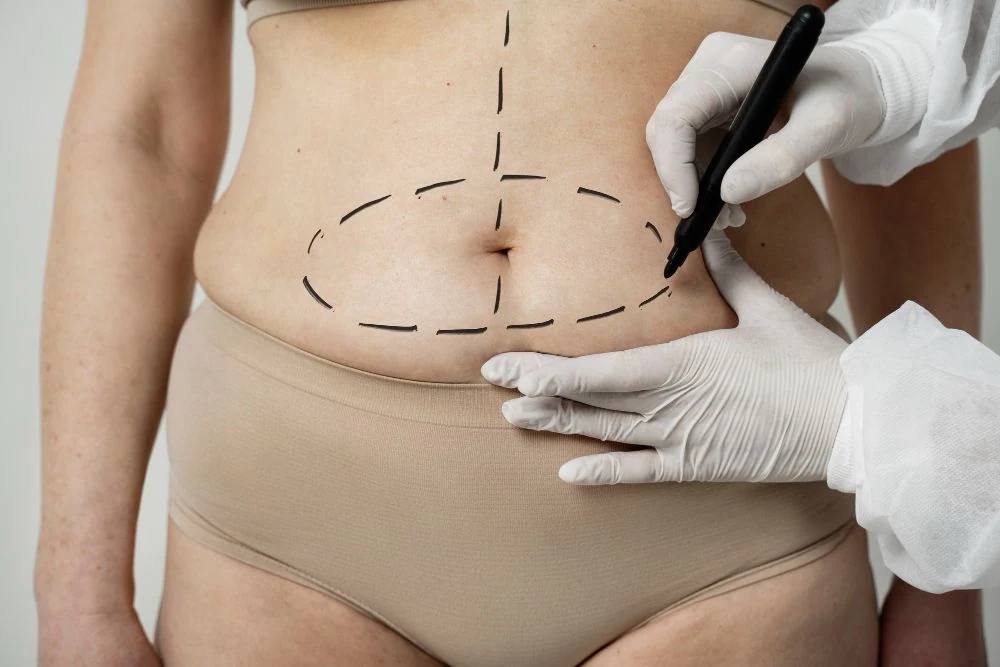
A tummy tuck, or abdominal dermolipectomy, removes excess abdominal skin and the fat attached to it. When diastasis, or separation between the rectus abdominal muscles, is present, plication may be added to repair the abdominal wall. If there are also fat deposits, liposuction can be combined with the operation, creating a lipoabdominoplasty.
In contrast, liposuction removes fat through small incisions but does not remove excess skin or, by itself, correct diastasis. A tummy tuck requires a low horizontal scar, involves tissue mobilization, and is usually a longer operation. Its recovery and blood-clot prevention should therefore not be equated with those of limited liposuction.


In our current practice, approximately 80–90% of abdominoplasties are modified Saldanha lipoabdominoplasties with MicroAire and/or anatomical definition. The aim is to tailor skin removal, the waistline, contours, and belly button to each body, rather than create a flat, artificial-looking abdomen. Our full approach, diastasis repair, belly button design, recovery, and prices are explained on the tummy tuck surgery in Madridpage.
What we have observed in 99 lipoabdominoplasties with at least 12 months of follow-up
We reviewed, case by case, every modified Saldanha lipoabdominoplasty performed since 2021 with at least 12 months of follow-up: 99 patients out of the more than 150 operated on. No patient was excluded because of how she progressed: the only patients left out are those operated on less than a year ago and those who did not return for follow-up, because we do not know their complete outcome. Each patient is counted only once. Data updated in November 2026.
| Event | Patients | Outcome |
|---|---|---|
| Seroma requiring aspiration | 9 · 9.1% | Resolved with aspiration; no patient returned to the operating room for this reason. |
| Small blood collection drained | 3 · 3.0% | Drained in the clinic, without a return to the operating room. |
| Superficial wound treated with dressings | 3 · 3.0% | Healed with dressings. |
| Scar bleeding treated locally | 3 · 3.0% | Controlled locally. |
| Total minor complications | 18 · 18.2% | All resolved without a return to the operating room. |
| Focal necrosis requiring debridement | 2 · 2.0% | Good outcome with serial debridement at the clinic, without hospital admission. |
| Abdominal bleeding requiring reoperation | 1 · 1.0% | Revision in the operating room; no transfusion. |
| Total major complications | 3 · 3.0% | Only one required a return to the operating room. |
| Thrombosis, pulmonary embolism, infection, or death | 0 | None observed in the series; this does not exclude a very uncommon future event. |
| No abdominal complications | 78 · 78.8% | Uneventful abdominal recovery. |
Complications by BMI
| BMI before surgery | Patients | Any complication | Major | Seromas |
|---|---|---|---|---|
| Under 25 | 45 | 9 (20%) | 0 | 3 (7%) |
| 25 to under 30 | 21 | 7 (33%) | 1 (5%) | 3 (14%) |
| 30 or above | 18 | 5 (28%) | 2 (11%) | 3 (17%) |
| Pre-operative BMI not found | 15 | 0 | 0 | 0 |
| Total | 99 | 21 (21%) | 3 (3%) | 9 (9%) |
All 3 major complications occurred in patients with a BMI of 25 or above; none occurred below 25. Seromas also increased with BMI: 7% below 25, 14% between 25 and 30, and 17% at 30 or above. This is consistent with published studies, which identify a BMI of 30 or above as a risk factor. The groups are small: they are indicative but do not prove a cause. In 15 patients we could not find the pre-operative BMI, so we show them separately; their follow-up is recorded in the same way as for all other patients.
In the largest insurance database (Winocour, 2015; 25,478 abdominoplasties), major complications occurred in 3.1% of isolated abdominoplasties; in our series, the rate was 3%. Our rate of aspirated seromas (9%) is higher than in the Xia meta-analysis (4.1%). This is partly because we count any seroma that was aspirated, even once, and definitions vary widely between studies.
We count as a seroma any fluid collection that needed aspiration. Thin layers of fluid seen only on ultrasound, without tension or discomfort, are not counted: they usually reabsorb on their own.
Refinements and satisfaction
Refinements are not counted as complications, but we prefer to report them: 3 patients (3%) have had, or are scheduled for, a minor scar refinement. This is not a complication but an adjustment of the result. And all 99 patients in the series said they would have surgery again.
These are data from our own practice, collected and reviewed by Dr. Aso’s team; they are not a comparative trial or a guarantee that complications will not occur.
What published studies report about complications
Scientific studies are not directly interchangeable: they involve different techniques, patient profiles, time periods, and definitions. One database may record only major complications requiring admission or reoperation, while another includes small wound openings. The following table therefore provides context, rather than a competition between percentages.
| Source | Population | Reported findings | How to interpret them |
|---|---|---|---|
| Saldanha et al., 2011 | 630 lipoabdominoplasties | Seroma 0.4%; dehiscence 0.4%; necrosis 0.2%; hematoma 0.2%; DVT/embolism 0.2%. | A series involving a specific technique and team; includes a historical comparison. |
| Klinger et al., 2021 | 582 consecutive abdominoplasties | Complications 5.3%; dehiscence 3.1%; partial necrosis 0.8%; hematoma 0.69%; seroma and infection 0.3% each. | A study-specific anatomical and clinical classification; patient selection differs from ours. |
| Xia et al., 2019 | Meta-analysis of 14,061 patients | Seroma 4.1%; hematoma 0.8%; DVT 0.2%; the combined category of infection, dehiscence, or fat necrosis 5.6%. | Combines heterogeneous studies; found a lower relative risk of seroma and hematoma with lipoabdominoplasty. |
| Winocour et al., 2015 | 25,478 abdominoplasties | Major complications 4.0%; 3.1% for abdominoplasty alone, with increasing rates when procedures were combined. | Records insured major events, rather than every minor issue. Identified BMI ≥30, age ≥55, and combined procedures as risk factors. |
| CosmetAssure, 55,956 cases | Large multicenter database | An overall major-complication rate of 2.1%, with differences by type of abdominoplasty. | Useful for putting serious events in context; does not capture all minor complications. |
Our internal series was not designed to demonstrate superiority. A scientific publication will require validation of the exact patient count, follow-up, and each complication definition.
Tummy tuck complications, explained individually
Seroma
A seroma is a collection of fluid beneath the skin. A thin layer seen on ultrasound may not need treatment; a seroma causing tension, bulging, or discomfort may require one or more aspirations. In our series, 9 of 99 patients (9%) needed a seroma aspirated; none returned to the operating room for this reason.
Hematoma
A hematoma is a collection of blood. It may cause rapidly increasing swelling, pain, tension, or asymmetry. A substantial hematoma usually needs surgical review to evacuate the blood and control its source. In our series, 3 patients had a small blood collection that was drained in the clinic, and 1 needed a return to the operating room for bleeding, without transfusion.
Dehiscence or superficial skin loss
Dehiscence is a partial opening of the wound. It is different from deep skin-flap necrosis: small areas of epithelial loss can heal with wound care. Smoking, tension, nutrition, and certain medical conditions increase concern about healing. In our series, 3 patients had a superficial wound that healed with dressings, and 3 had scar bleeding that was controlled locally.
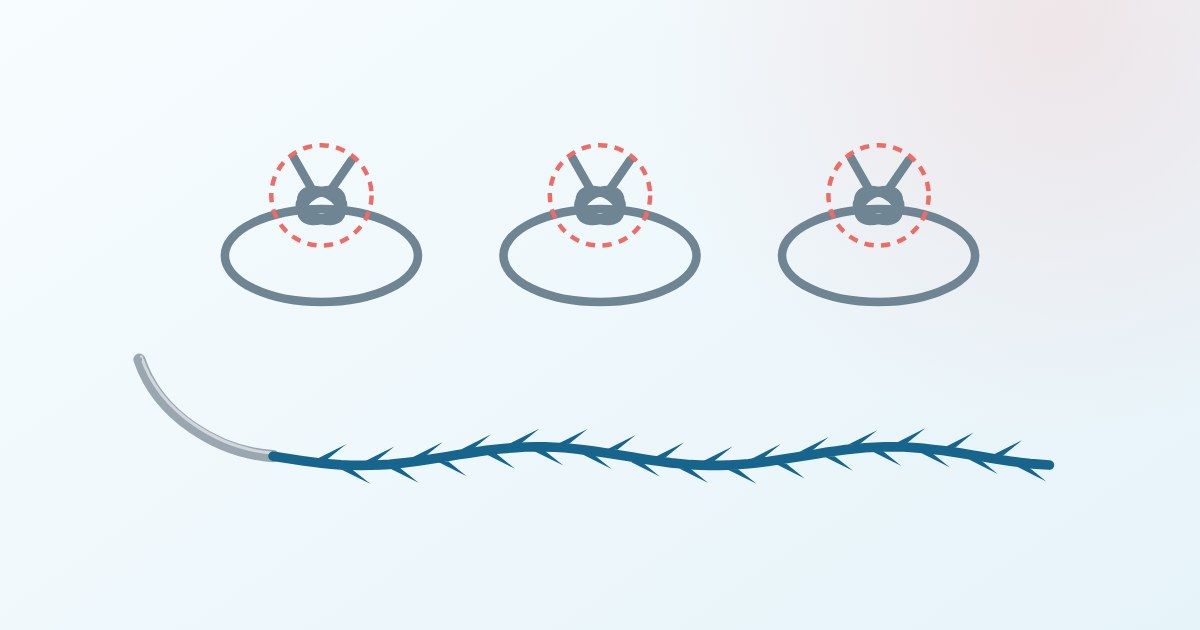
Since the end of 2025 we close the skin with an absorbable barbed suture, with no superficial knots: why stitches come out and how we avoid it.
Skin-flap necrosis or fat necrosis
Skin-flap necrosis involves loss of abdominal skin and may require wound care or surgery. Fat necrosis affects small volumes of underlying fat. In our series, 2 patients (2%) had focal necrosis; they progressed well with serial debridement at the clinic, without the need for hospital admission.
Infection
Infection can cause increasing redness, pain, warmth, discharge, or fever. In our series of 99 patients, there were no infections. A deep infection would be a different situation and could require drainage and hospital admission.
Deep vein thrombosis and pulmonary embolism
A blood clot can form in a leg and travel to the lungs. This is uncommon but potentially serious. Operating time, immobility, BMI, medical history, and combined procedures affect risk. Our protocol combines individual assessment, pneumatic compression, early mobilization, and heparin when appropriate.
Scarring, narrowing, or position of the belly button
The belly button may develop a wide scar, become narrowed, or sit slightly off-center. When this happens, we correct it with a small refinement under local anesthesia; it is uncommon, but it is one of the things that can happen.
Scarring, irregularities, and “dog ears”
A scar can widen, and the lateral ends can leave a small skin fold. Many irregularities improve with time, massage, or treatment at the clinic. In our series, 3 patients (3%) have had, or are scheduled for, a minor scar refinement.
How we try to reduce risks before, during, and after surgery
Choosing the right time
We ask for stable weight and recommend surgery when no further pregnancies are planned. A later pregnancy is possible but can stretch the skin and abdominal wall again.
Stopping smoking completely
We require patients to stop at least one month before surgery and remain smoke-free for one month afterward. A systematic review and meta-analysis found more complications, infections, and healing delays among smokers having aesthetic surgery. Cutting down is not enough.
Assessing blood-clot risk
A personal history of thrombosis or embolism requires assessment by Hematology. During longer operations, we use intermittent pneumatic compression. In most abdominal dermolipectomies, we also use postoperative heparin unless it is contraindicated or the procedure is particularly straightforward.
Limiting combined procedures
We prefer not to combine more than two procedures and stage surgery when its extent or duration increases risk. Large databases show higher major-complication rates when operations are combined.
Preserving tissue and tailoring the technique
Modified Saldanha lipoabdominoplasty limits undermining, preserves Scarpa’s fascia, and individualizes the central tunnel, liposuction, abdominal wall repair, and belly button design. We do not apply the same pattern to every abdomen.
Early mobilization and close follow-up
We aim to help patients walk within the first 6–8 hours if their recovery allows. Follow-up appointments and access to the team help distinguish normal swelling from a change needing examination or ultrasound.
General anesthesia and a hospital with an accredited ICU
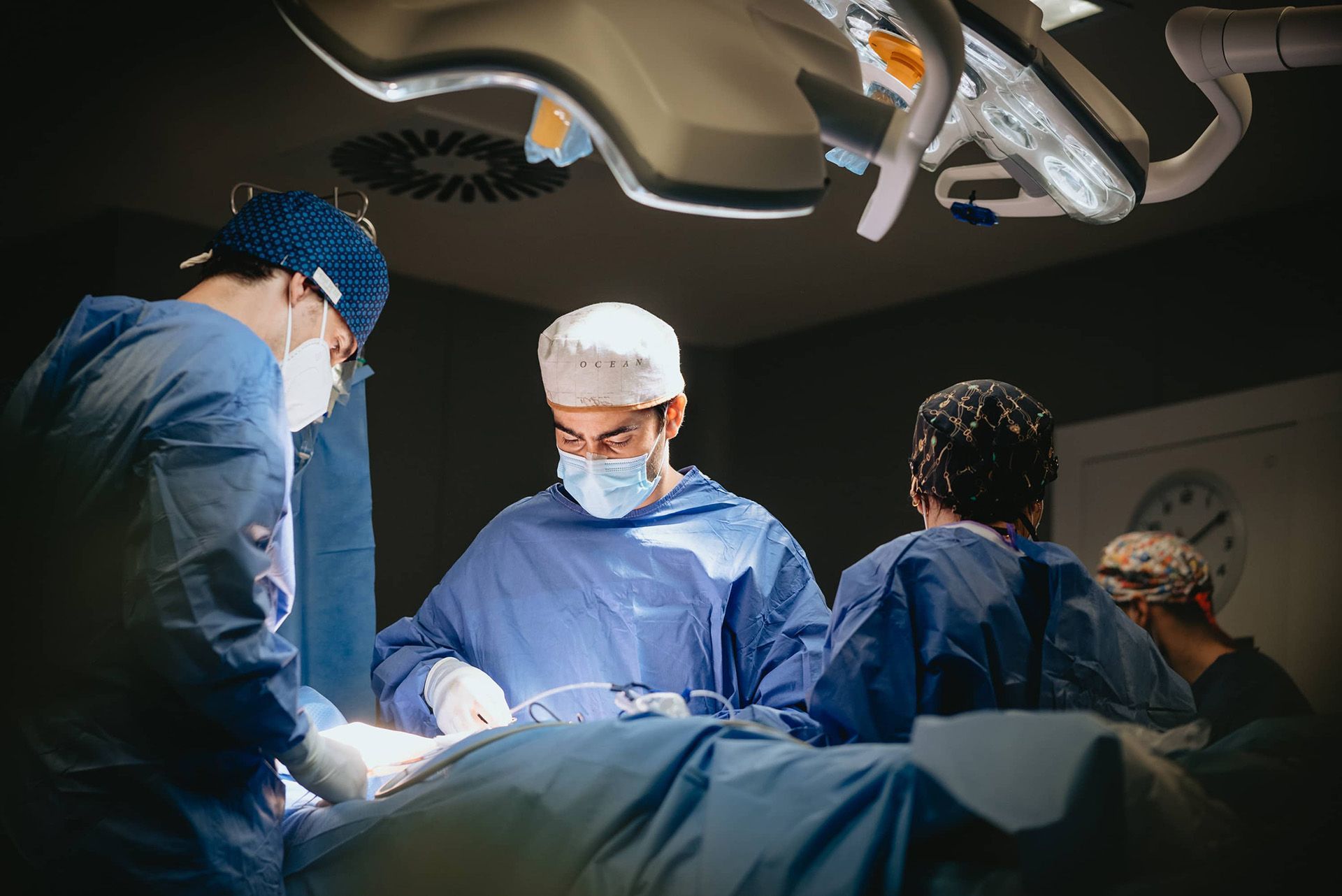
Abdominoplasty is performed under general anesthesia with intubation. At the end, we add a local anesthetic block to improve comfort during the first few hours. A typical lipoabdominoplasty of the abdomen and flanks with diastasis repair takes approximately four hours, although liposuction, hernias, time spent lying face down, or an additional procedure can extend it.
We operate at Hospital Universitario HLA Moncloa, which has a private intensive care unit accredited for specialist trainingthrough Spain’s MIR residency system. The hospital has 13 intensive care beds, 14 operating rooms for major surgery, and a post-anesthesia recovery unit. Patients stay in hospital for at least one night, and often two. Choosing this setting does not mean we expect a complication; it means we do not want to improvise if one occurs.
Recovery: what is expected and when to seek assessment
Recovery takes patience. During the early days, it is normal to walk slightly bent forward because of tension at the closure; in our practice, this usually lasts 7–12 days. Showering is generally allowed around day four, the compression garment is usually worn for 15–30 days, and lymphatic drainage may start at the clinic between days 4 and 7.
First steps
Assisted mobilization if your clinical condition allows.
Indicative timing for showering
Adjusted to the wounds, dressings, and drain.
Driving and office work
Complex procedures may require 30 days or more.
Gentle exercise
Stationary cycling and gradual activity, initially avoiding exercises that place substantial demands on the abdominal wall.
Contact the team promptly if you develop
- Shortness of breath, chest pain, severe dizziness, or coughing up blood.
- Clearly one-sided pain or swelling in a leg.
- Rapidly increasing abdominal swelling or tension, worsening asymmetry, or bleeding.
- Fever, spreading redness, foul-smelling discharge, or worsening pain.
- Progressive darkening of the skin or a substantial wound opening.
Breathing difficulty or severe chest pain requires urgent medical attention. Information on the internet must never delay an in-person assessment.
Safety also means recommending surgery appropriately
A tummy tuck is not a weight-loss operation and cannot remove every stretch mark. It can be particularly helpful when there is excess skin, diastasis, or a contour that diet and exercise cannot correct. The gallery shows cases with different anatomies, degrees of laxity, and goals.
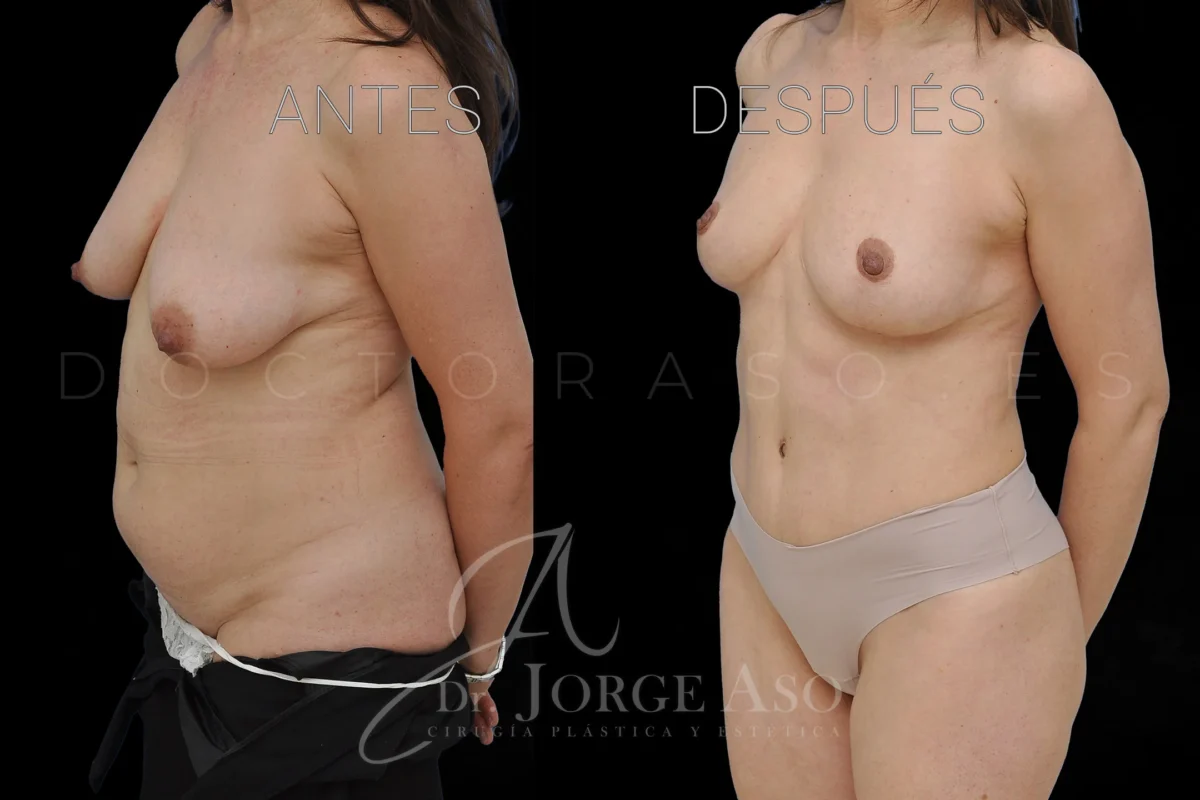 BEFOREAFTER
Case 17 · Oblique view
Lipoabdominoplasty with diastasis repair.
View the full case →
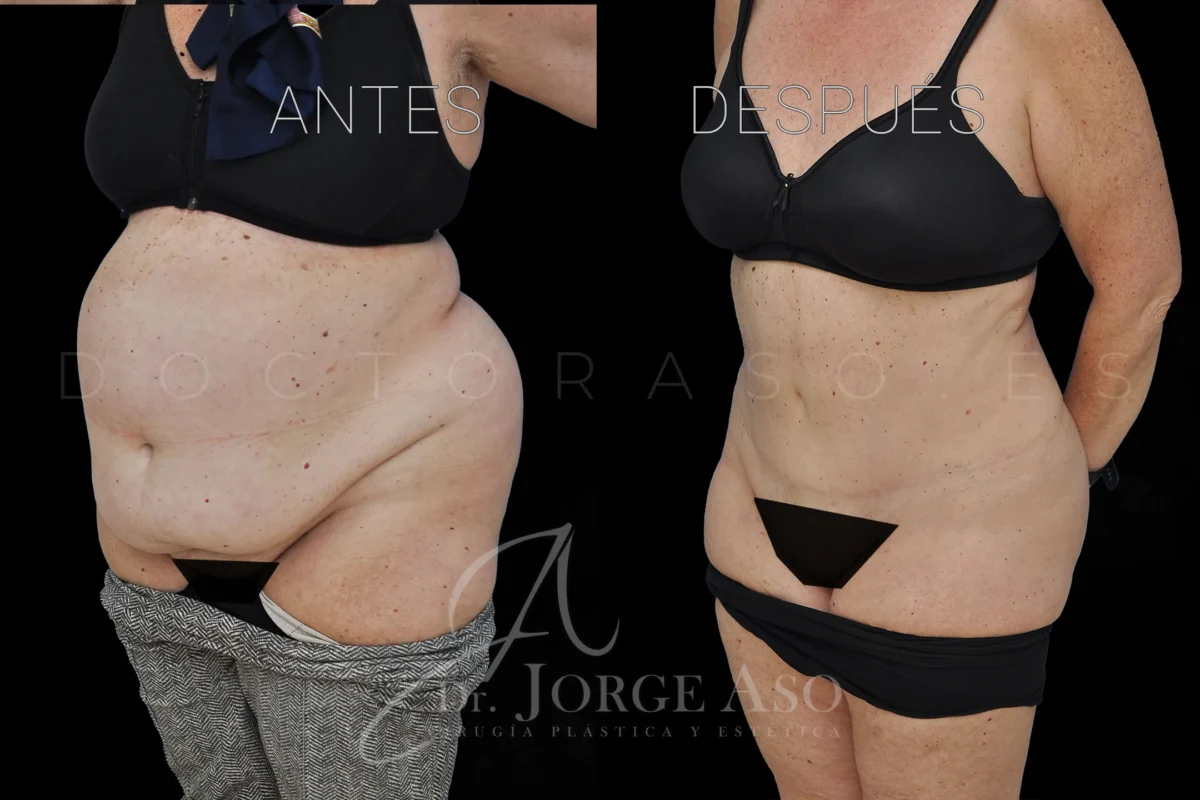 BEFOREAFTER
Case 4 · Oblique view
Abdominal contour, waistline, and abdominal wall treated together.
View the full case →
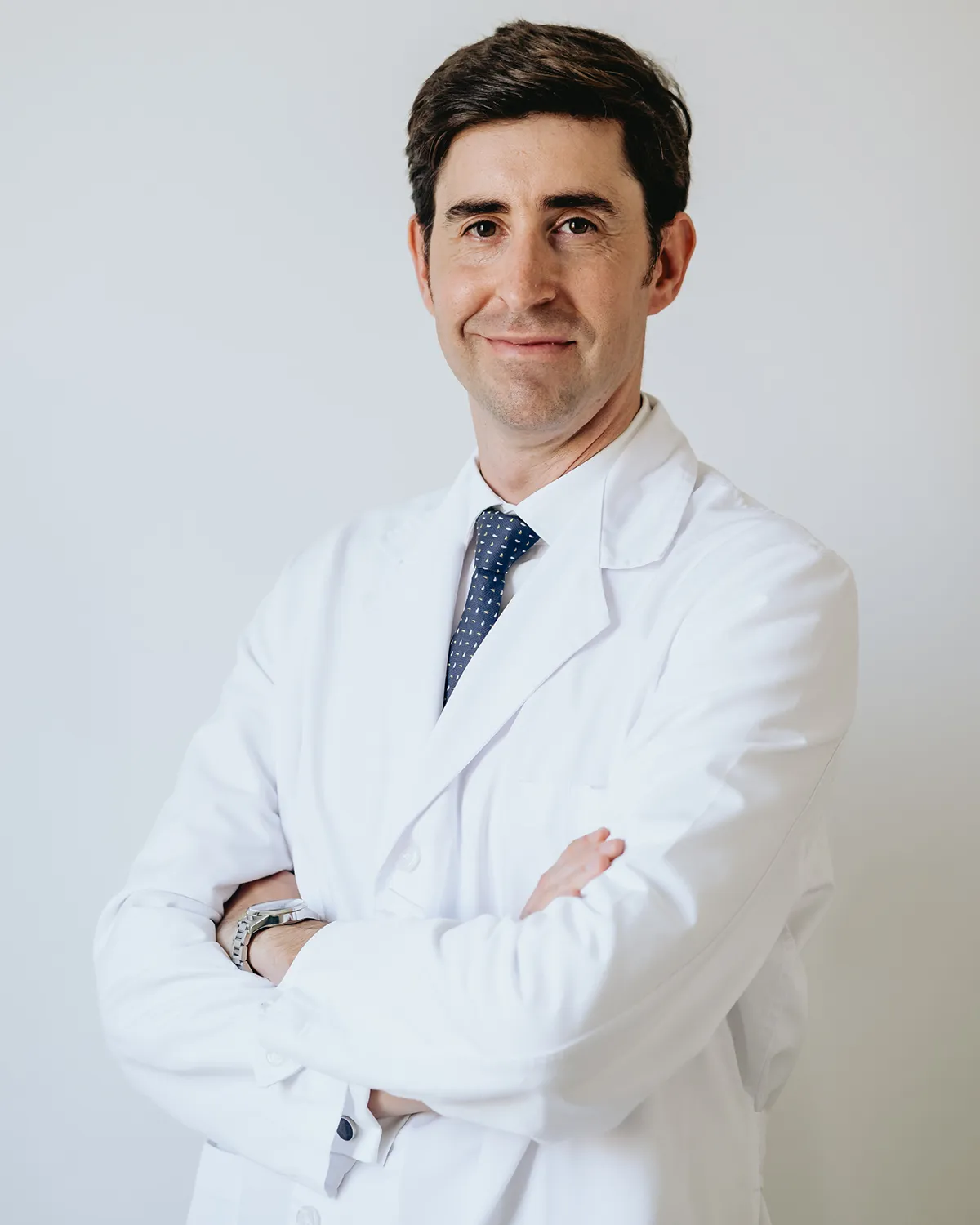
Meet Dr. Jorge Aso
Dr. Jorge Aso is a specialist in Plastic, Aesthetic and Reconstructive Surgery trained through Spain’s MIR residency system and holds a PhD in Medicine, cum laude. He has performed more than 1,000 abdominoplasties according to the clinic’s internal records, and carries out approximately 60–120 abdominal contouring procedures each year.
Since 2021, he has systematically used a modern approach based on modified Saldanha lipoabdominoplasty, MicroAire, and anatomical definition. Planning considers the skin, fat, abdominal wall, diastasis or possible hernias, waistline, and belly button design: the same operation is not appropriate for every patient.
Experience figures are drawn from the clinic’s internal records. Updated: August 2026.
Frequently asked questions about tummy tuck safety
What is the risk of dying during or after a tummy tuck?
For additional context, the Saldanha series of 630 lipoabdominoplasties reported one event grouped as deep vein thrombosis or pulmonary embolism, 0.16%, but did not analyze mortality as a separate outcome. A meta-analysis of 14,061 patients found a deep vein thrombosis rate of 0.2%, but did not report a specific mortality rate either. In our series of 99 patients with at least 12 months of follow-up, we have observed 0 deep vein thromboses, 0 pulmonary emboli, and 0 deaths. These are favorable observations, but our sample is not large enough to exclude an exceptional event or turn our experience into a promise of zero risk.
What is the most common complication?
Which is riskier: a cesarean delivery or a tummy tuck?
Does a mini tummy tuck have the same risks?
Why does BMI matter?
Can I have surgery if I smoke?
Are drains used?
Does it matter whether the hospital has an ICU?
When can I return to work and exercise?
Can diastasis recur?
Enough information to decide, without treating every possibility as a threat
Abdominoplasty deserves respect because it is major surgery. At the same time, careful selection, modern techniques, blood-clot prevention, a well-equipped hospital, and follow-up help the great majority of our patients recover satisfactorily. Our internal results are promising, and we report them with their limitations. Trust comes from explaining how we try to prevent and manage complications, rather than promising that none will ever occur.
If you would like to understand which technique suits your anatomy and what your individual risk may be, an in-person assessment is the appropriate next step.