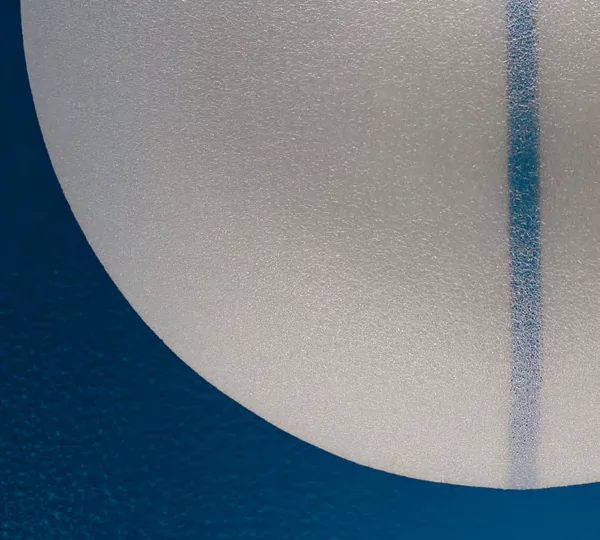
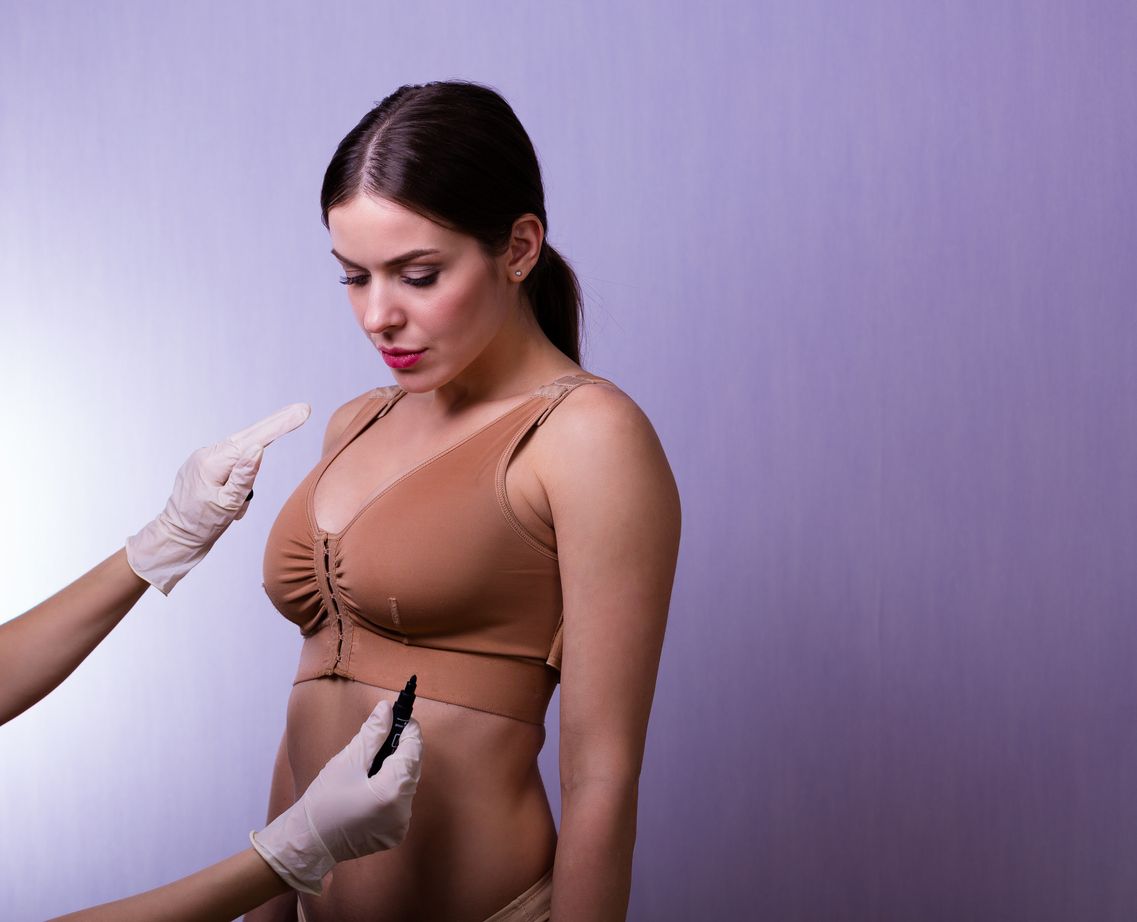
In our practice, we do not recommend massaging a breast directly after implant surgery or trying to move the implant. We do use physical therapy from hospital discharge, when indicated, to address swelling in surrounding areas and back muscle tension, always without compressing the breasts.
Should you massage your breasts after augmentation?
We do not prescribe direct massage over a breast implant, either during the first few weeks or as a routine later on. Repeatedly moving the implant increases friction against surrounding tissues, may cause additional inflammation, and may contribute to malposition or, depending on the implant, rotation. We do not see a proven benefit that outweighs these concerns.
This does not mean leaving a patient without support. From discharge, we may recommend physical therapy by professionals experienced in breast surgery to address swelling around the sides of the chest, collarbone, arms, armpits, abdomen, and back, while protecting the breasts and respecting the incision used.
In this guide
Four situations to distinguish
Direct massage over a breast implant
This includes pressing the breast, pushing the implant upward or downward, pushing the implants together by hand, or repeatedly manipulating them to “soften” them.
Drainage in surrounding areas
This targets swelling around the sides, collarbone, arms, armpits, abdomen, or back. It avoids pressure on the breasts and is adapted to the surgical incision.
Physical therapy for the back and shoulder girdle
This addresses stiffness in the upper back, neck, and shoulders associated with protective posture and reflex chest muscle tension.
Scar or fibrosis treatment
This may be appropriate once the incision is closed and the scar or fibrosis has reached a suitable stage of healing. It is particularly common after procedures without implants.
Why we do not recommend moving or massaging the implant
Breast augmentation creates a precisely shaped pocket for the implant. The tissues need to heal around that position. In our practice, we avoid repeated breast manipulation because it has no proven benefit and adds forces that are unnecessary while the pocket heals.
More friction
Moving the implant increases its movement against the surrounding tissues.
Reactive inflammation
Manipulation may prolong or increase tenderness, swelling, and inflammation.
Malposition
Pushing an implant does not allow precise control of its pocket and may encourage unwanted displacement.
Rotation
Rotation of an anatomical implant can change breast shape; other movement or malposition can occur with any implant.
Does massage prevent capsular contracture?
There is no strong evidence that massaging an implant prevents capsular contracture. A literature review identified only four relevant studies, with varied techniques and follow-up, and concluded that the available data did not support massage for prevention. Read the review.
It would also be wrong to claim that any massage inevitably causes contracture. Capsular contracture has multiple contributing factors, including the biological response, implant surface, placement plane, bleeding, inflammation, bacterial contamination, and others. A contemporary meta-analysis examines several implant and surgical characteristics and highlights the lack of large randomized trials; the issue cannot be reduced to a single rule. Read the meta-analysis.
Without a proven preventive benefit, and with added friction, inflammation, and potentially avoidable mechanical problems, we prefer not to manipulate the implant. This is our clinical protocol; other surgeons may give different instructions depending on the implant and technique used.
Where postoperative drainage may help
After breast surgery, swelling can extend beyond the breasts toward the sides, armpits, collarbone, arms, upper abdomen, and back. In these areas, gentle, appropriately directed physical therapy may improve the feeling of congestion, mobility, and comfort.
Pressure or swelling at the sides is common, particularly around the bra band.
Protective posture can strain the shoulder girdle and restrict movement.
Treatment must respect the surgical access; after mia, particular care is needed to protect the armpit incision.
Swelling can shift with gravity and occur alongside muscle stiffness.
Manual drainage does not replace the biological time needed for healing or guarantee that swelling will resolve sooner. We use it as individualized support, not a requirement for every patient.
Your back may need treatment, too
After breast surgery, many patients walk slightly hunched over, protect their chest, and sleep on their back for several weeks. Reflex tension in the pectoral muscles and shoulder girdle can add to this. The result may be pain in the upper back, neck, between the shoulder blades, or lower back even when the breasts are healing normally.
When the back is uncomfortable, we recommend physical therapy. Initially, treatment should take place seated or semi-reclined, or on an adapted treatment table that protects the breasts. The patient must not be positioned so that her body weight compresses newly operated breasts.
Our protocol from hospital discharge
Assessment from the outset
Drainage in surrounding areas may start from discharge if indicated and recovery is progressing normally. The breasts and implants are not massaged.
Swelling, mobility, and back discomfort
The focus is on the sides, collarbone, arms, abdomen, and back. Treatment is adapted to an axillary, inframammary, or areolar incision and the instructions given at follow-up.
Selected scars and areas of fibrosis
Once wounds are closed and tissues have matured sufficiently, localized manual treatment of a specific scar or area of fibrosis may be approved.
Aftercare differs with and without implants
An implant in a new pocket
We do not move the implant. Physical therapy addresses surrounding swelling, mobility, and back discomfort while respecting the placement plane and incision.
Tissue preservation, with the same caution
Although these techniques generally involve less tissue trauma and quicker functional recovery, we still do not recommend direct implant massage. Compare mia and Preservé.
More tissues are healing
The implant pocket, scars, and reshaped glandular tissue all need protection. Any physical therapy is coordinated with skin and wound healing.
More scope for treating fibrosis
Without an implant that could be displaced, we allow more flexibility. If internal or external fibrosis develops, we often recommend manual treatment once the tissues are ready.
“Mammoplasty” covers very different operations. Advice that is appropriate after a reduction without implants may be unsuitable after implant augmentation. This is why you should not copy another patient's exercises or massage routine.
Can a scar be massaged after breast surgery?
It may be appropriate once the incision is completely closed and the scar has reached the right stage of healing. The aim is not to move the implant but to treat a localized adhesion, stiffness, or fibrosis. Clearance and technique depend on timing, the incision, and whether an implant lies underneath.
External scar
Localized treatment may be used after complete closure, together with silicone scar products, sun protection, and other prescribed measures where appropriate. Read the guide to breast augmentation scars.
Internal fibrosis
Manual treatment is more commonly prescribed after surgery without implants. With implants, a firm area must first be assessed to distinguish scar tissue, capsular contracture, seroma, malposition, or another cause.
Do not try to “break up” fibrosis yourself with painful manipulation. A breast that becomes firm, changes shape, or hurts needs an examination and, in some cases, an ultrasound.
A band or specialized bra is not a massage
A chest band, support ring, or postoperative bra applies sustained, controlled force for a specific purpose. We prescribe these only in selected cases after assessing swelling, implant height, and the pocket.
During the first two weeks, an apparently high or widely spaced position is often strongly influenced by swelling and tissue tension. Later, we may use specific support garments to guide recovery in selected cases. This does not mean you should push, knead, or move the implant by hand.
When massage or drainage should not be performed
A physical therapy session should not be used to try to resolve a new or unexplained breast change. Contact the team before manipulating the area if any of these signs appear:
Sudden increase in size
A breast that enlarges, becomes tense, or develops increasing asymmetry may need assessment for a hematoma or seroma.
Worsening pain
Sudden or progressive one-sided pain should not automatically be attributed to muscle tension.
Warmth, redness, or fever
An infection may be present and requires medical assessment, not massage.
Change in position or shape
Displacement, rotation, or a new deformity requires examination before any manipulation.
Frequently asked questions about massage after breast surgery
Is massage necessary after breast surgery?
Not as a universal recommendation. After implant surgery, we do not massage the breasts directly. We may recommend physical therapy in surrounding areas from discharge and, later, localized scar or fibrosis treatment when specifically indicated.
Can I massage my breast to help the implant settle lower?
We do not recommend it. An implant that looks high early on may reflect swelling and tissue tension. If positional support is needed, this should be decided at follow-up using a specific band or garment, not by pushing the implant with your hands.
Does massage prevent capsular contracture?
The available studies do not show that massage prevents capsular contracture. Contracture is multifactorial and does not depend on whether you perform a single postoperative maneuver.
Can lymphatic drainage be performed after augmentation?
It may be indicated from discharge in surrounding areas—the sides, collarbone, arms, armpits, abdomen, or back—provided an experienced professional performs it, respects the incision, and does not compress the breasts.
Do you also avoid massage after mia or Preservé?
Yes. Although these are tissue-preserving, prepectoral techniques and recovery is generally quicker, we do not see a benefit in moving the implant through direct massage.
Can my back be treated soon after surgery?
Yes, if it is uncomfortable. You should be seated or semi-reclined, or on an adapted table, so your body weight does not compress the breasts. Treatment focuses on the back, neck, and shoulder girdle.
When can a scar be massaged?
Only once it is completely closed and the team confirms that the time is right. Treatment is localized; it does not mean massaging the whole breast or moving the implant.
What if my operation did not involve implants?
We allow more flexibility. After a breast lift or reduction without implants, internal or external fibrosis is often treated once wounds and tissues are ready.
Does an implant stabilization band move the implant?
It can apply sustained, directed force in selected situations, but it must be prescribed by the surgeon. It is not equivalent to breast massage, and not every patient needs one.
What if my physical therapist suggests directly massaging the implant?
They should first discuss this with the surgical team. The professional needs to know the technique, plane, implant, incision, and course of recovery before manipulating the operated area.
Compare recovery, techniques, and results
The choice of conventional augmentation, mia, or Preservé depends on anatomy, tissue coverage, and your desired volume.
I have swelling or back pain
We can assess your recovery and coordinate specialized physical therapy at the clinic.
Breast augmentation results and techniques
Our gallery lets you compare real cases by implant volume, height, weight, implant shape, and technique. It helps explain why recovery and aftercare recommendations are not identical for everyone.
Medical authorship Specialist in Plastic, Aesthetic and Reconstructive Surgery (Spanish MIR training) Medical registration no. 2828/61062 · Madrid About Should You Massage Your Breasts After Augmentation? Drainage and Physical Therapy: clinical information, safety and expectations. Based on the original Spanish content. Translation does not constitute a new medical review. This information does not replace an individual medical assessment. References support the general medical information. Suitability, alternatives, and risks are discussed individually during consultation.
Medical sources and editorial standards
Selected references for this article
5 references