


Breast reduction recovery: a day-by-day guide
Breast reduction recovery day by day: one overnight stay, no drains or bandages, back to desk work in 3–7 days, a bra for one month, sport from 4–6 weeks, scar…
Liposuction is a commonly requested cosmetic procedure for removing localized fat and reshaping the body. Before considering surgery, it is important to understand the process, including your preoperative assessment and the preparation that can help support a good outcome.
At Dr. Aso Clinic, we perform liposuction with an emphasis on patient safety and individual goals. This guide explains what you should know before having liposuction.
The liposuction procedure is surgery designed to remove fat deposits from specific areas of the body. Common treatment areas include the abdomen, thighs, buttocks, arms, and neck. Although it can produce a noticeable change, it is not a treatment for obesity or a quick way to lose weight. It is an option for people who have reached a stable weight but want to reduce fat that persists despite diet and exercise.
A common misconception is that liposuction is a quick weight-loss solution. It is not designed to remove large amounts of body weight. If your body mass index (BMI) is elevated, your surgeon may recommend losing weight before considering liposuction.
Reaching a stable, healthy weight can improve the aesthetic outcome and reduce surgical risks. It can also support recovery and help lower the likelihood of complications.
Dr. Aso recommends addressing any necessary weight loss before liposuction, so that surgery can focus on the most persistent localized fat deposits.
Healthy skin and soft tissues also help support a natural-looking outcome.
Preoperative preparation is an important part of any operation, including liposuction. At our clinic, it begins with a detailed consultation with Dr. Aso to assess your general health, expectations, and proposed treatment areas. Blood tests and any other necessary investigations are arranged to evaluate your health before surgery.
Follow your medical team's preoperative instructions carefully. These include advice on avoiding alcohol and smoking, which can interfere with healing and increase surgical risks. Your team may also instruct you to stop certain medicines, such as aspirin or anti-inflammatory drugs, because they can increase bleeding. Do not stop prescribed medication without medical advice.
Alongside any recommended weight loss, a balanced diet with adequate protein and vitamins helps support your body during recovery. Staying active with moderate exercise can also help maintain muscle tone before surgery.
If you are planning to lose weight before liposuction, do so gradually and safely rather than through restrictive diets or extreme methods. Rapid, substantial weight loss can affect skin quality and therefore the eventual contouring result.
On the day of surgery, attend the clinic having followed all the team's preoperative instructions. Dr. Aso will review the final details before the procedure. Local or general anesthesia may be used, depending on the treatment areas and the amount of fat to be removed. The procedure may take between one and three hours, and you may spend several hours under observation before discharge, depending on your individual plan.
Arrange for someone to help you get home, as you may feel drowsy or uncomfortable after the operation.
Recovery varies with the amount of fat removed and the areas treated. Swelling, bruising, and some discomfort are expected in the first few days. Our team will provide a compression garment, which you will be instructed to wear for several weeks to help control swelling and support healing.
Follow the postoperative recommendations, including avoiding strenuous activity and maintaining a balanced diet. Your recovery and outcome depend not only on the operation, but also on appropriate care during the weeks that follow.
Although liposuction permanently removes the fat cells taken out during surgery, a healthy lifestyle remains important afterward. Weight gain can alter the contour of both treated and untreated areas.
Any recommended weight loss is generally addressed before liposuction, but it is just as important to continue looking after your diet and activity level afterward. Significant weight gain can compromise the aesthetic result.
Healthy habits and regular activity help maintain the effects of liposuction. A stable weight is important for preserving the result over the long term.
Who may be a suitable candidate for liposuction?
People in good general health, at a stable weight, with localized fat that persists despite diet and exercise.
How long does recovery take?
Many people can gradually resume routine activities after about two weeks, depending on the extent of surgery and their medical team's advice. Swelling may take several months to settle completely.
Are the results permanent?
The fat cells removed do not return, but maintaining a healthy lifestyle and stable weight is important. The overall contour can still change over time.
At Dr. Aso Clinic, we support you throughout the process, with attention to safety and your individual experience. Addressing any necessary weight loss before liposuction can improve the outcome, and following your preoperative instructions is an important part of preparing for recovery.
Breast reduction recovery day by day: one overnight stay, no drains or bandages, back to desk work in 3–7 days, a bra for one month, sport from 4–6 weeks, scar…

Breast reduction prices for 2026: from €6,890 without implants and from €8,490 with implants, including hospital, anaesthetist and one overnight stay. What is included, what is not, the median price…

Breast lift guide prices for 2026: €6,500–7,000 without implants, €8,000–9,500 with implants and €9,500–10,500 with Preservé. What is included, what is not, the median price in Spain and why who…
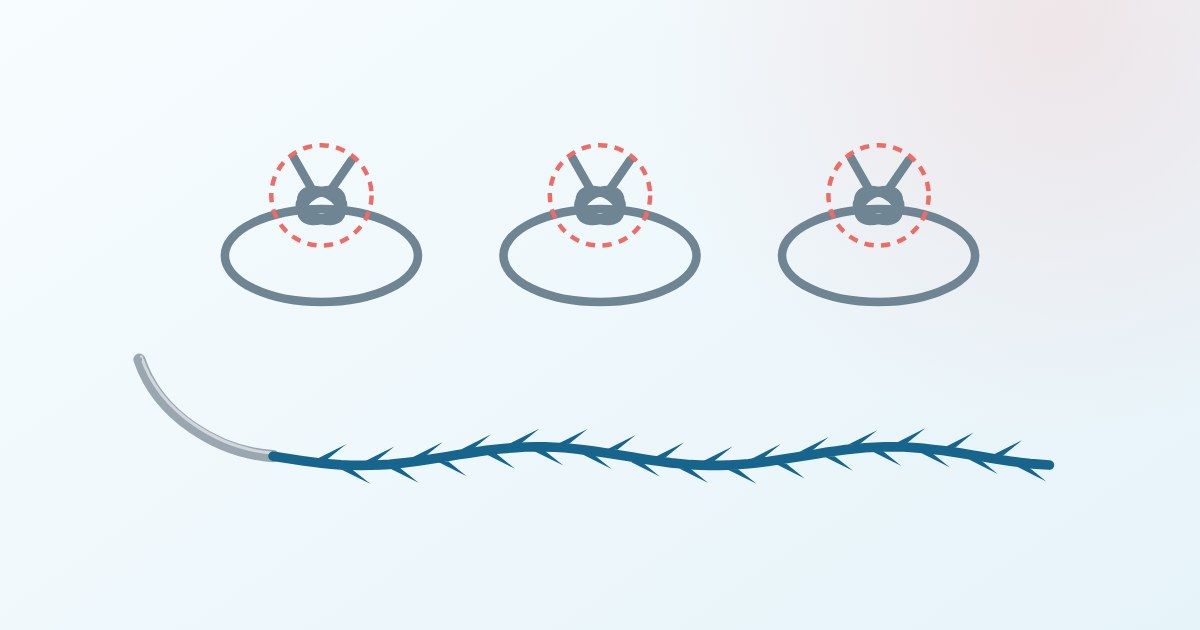
Why a stitch can poke out weeks or months after a breast lift, breast reduction or tummy tuck, what to do, and how we close the skin with a knotless…