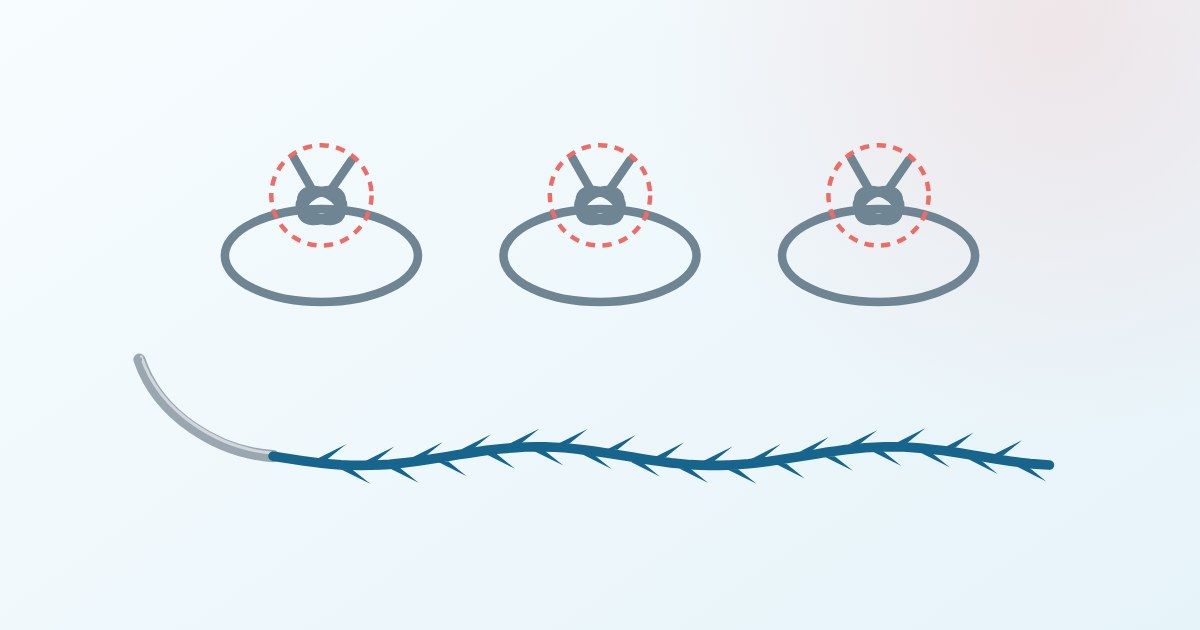
Dermolipectomy is surgery to remove excess skin and its attached fat when the tissues cannot adapt on their own. It can be performed on the abdomen, groin or thighs, and arms. A buttock lift is also a body contouring procedure, although it often preserves tissue to add fullness and projection to the buttocks.
What is dermolipectomy?
Dermolipectomy means surgically removing a segment of skin—dermo—and its attached subcutaneous fat—lipectomy. It is considered when excess skin cannot sufficiently contract with weight loss, diet, or exercise. This is common after pregnancy, weight fluctuations, aging, or substantial weight loss.
The aim is not to reach a particular weight, but to improve contour, remove folds that may cause chafing or hygiene difficulties, and adapt the skin envelope to the current body volume. The American Society of Plastic Surgeons includes these procedures within body contouring surgery after weight loss or substantial skin laxity.

Article contents
Dermolipectomy, liposuction, and abdominoplasty: differences
| Procedure | What it treats | What happens to the skin | Important distinction |
|---|---|---|---|
| Dermolipectomy | Excess skin and attached fat | A segment is removed | A general term that can apply to several areas |
| Liposuction | Localized fat | Expected to retract; not removed | Can complement dermolipectomy, but does not replace skin excision |
| Abdominoplasty | Excess abdominal skin and fat | Removed and adapted to the new contour | Dr. Aso uses it as a synonym for abdominal dermolipectomy |
| Mini abdominoplasty | Limited excess, usually below the navel | A shorter, localized excision | Not an appropriate option for every abdomen |
Neither abdominal dermolipectomy nor abdominoplasty necessarily involves muscle repair. However, in our practice, more than 90% of abdominoplasties include abdominal wall plication because examination identifies diastasis or laxity that would benefit from correction. This describes our experience, not a universal rule.
In a full abdominoplasty, the umbilical stalk usually remains in its anatomical position and is brought through a new opening in the tightened abdominal skin. It is not simply a matter of “moving the navel upward.” Liposuction or liposculpture may be combined with the procedure to define the flanks and areas of residual fat.
Types of dermolipectomy by body area
There is no single dermolipectomy procedure. The location and direction of excess skin determine the design, scar length, patient positioning during surgery, and pace of recovery.
Abdomen: abdominoplasty and mini abdominoplasty
The excision is planned low on the abdomen so the scar can be covered by underwear. A full abdominoplasty may include management of the navel, muscle plication, and liposuction. For limited excess below the navel, mini abdominoplastymay be considered.
Groin and thighs: thigh lift
A groin or thigh lift removes skin from the inner thigh. Laxity concentrated in the upper area may be treated with a groin scar; excess extending toward the knee may require an additional vertical scar.
Arms: brachioplasty
An arm lift, or brachioplasty, corrects excess skin on the inner arm. Very limited cases may keep the scar near the armpit; greater excess requires extending it along the arm to remove enough skin without leaving residual folds.
Buttocks and circumferential contouring
A buttock lift raises descended tissues, but is not usually planned as simple fat removal. We may preserve skin and dermal flaps to add fullness to the buttocks or combine the procedure with fat grafting. After massive weight loss, it may form part of circumferential dermolipectomy, or a body lift.
Who may be a candidate for dermolipectomy?
The procedure is considered when excess skin is substantial enough that a technique without excision cannot correct it. It may also be appropriate when the amount of fat to be removed would otherwise create obvious laxity or deformity, even without substantial pre-existing laxity. Alongside anatomy, we assess weight stability, general health, habits, nutrition, previous scars, and expectations.
Stable weight
Ideally, weight should remain stable for at least three months. If substantial further loss is expected—through diet, bariatric surgery, or GLP-1 medication—it is usually preferable to wait.
Genuine excess skin
Thin skin or cellulite alone is not enough: there should be a fold or laxity whose improvement justifies the scar needed to remove it.
Adequate health and nutrition
Medical conditions, anemia, and deficiencies in protein, iron, or vitamins may affect the timing and safety of surgery.
Realistic expectations
The aim is to improve contour, not achieve perfect symmetry, remove every stretch mark, or replace a weight-loss strategy.
The ASPS emphasizes stable weight, good general health, realistic expectations, and not smoking. After substantial weight loss, we pay particular attention to nutrition because wound healing requires adequate protein and micronutrients.
Preparation: nutrition, smoking, medication, and pregnancy
- 1
Medical history and examination.
We review medical conditions, previous operations, scars, pregnancies, weight fluctuations, personal or family history of thrombosis, and regular medications. - 2
Blood tests and nutritional status.
After massive weight loss, more detailed assessment of anemia, protein status, and possible micronutrient deficiencies may be needed before scheduling surgery. - 3
Complete cessation of smoking and nicotine.
We do not operate unless the patient has stopped smoking at least 15 days beforehand and can remain smoke-free for another 15 days afterward. Whenever possible, we recommend one month before and one month after surgery. - 4
Individual medication review.
Do not stop aspirin, anti-inflammatory drugs, anticoagulants, antiplatelet medications, contraceptives, or ongoing treatments on your own. Your surgeon, anesthesiologist, and prescribing doctor decide what should be continued or changed. - 5
Planning for future pregnancy.
A later pregnancy is not necessarily prohibited, but it may stretch the skin and abdominal wall again and change the result. If pregnancy is planned soon, postponing surgery is usually reasonable.
Detailed preparation also includes instructions on fasting, hygiene, garments, help at home, and postoperative medication. General ASPS recommendations also emphasize disclosing all medications and supplements, and changing only those specified by the medical team.
How the operation is performed
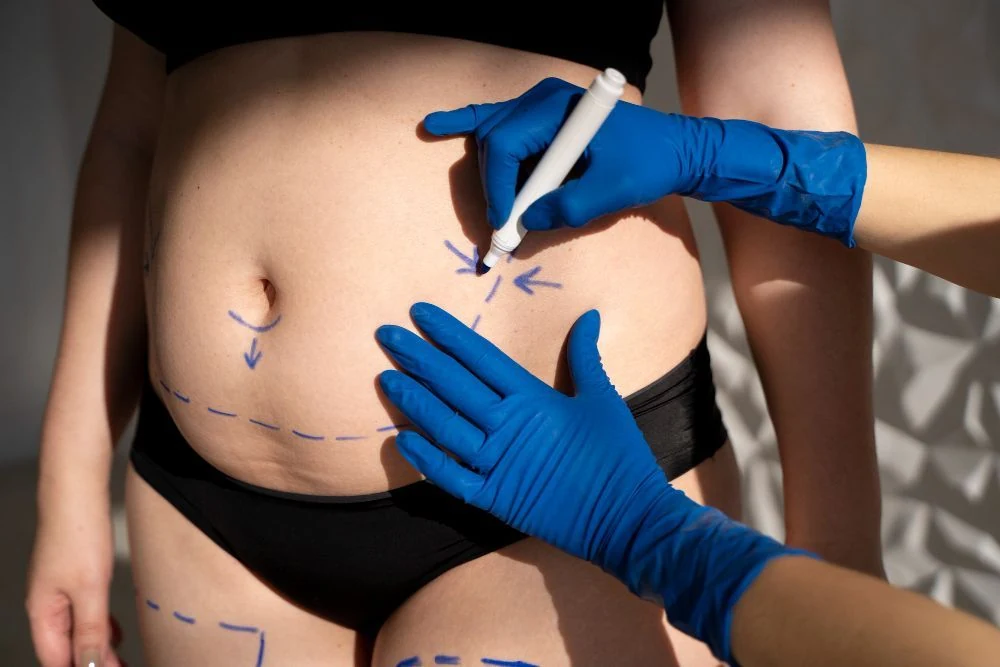
With the patient standing, we mark folds, skin expected to be removed, and areas that may need liposuction. During surgery, we make the planned incision, release tissue to the extent needed, remove the segment of skin and fat, and bring the edges together without excessive tension. Bleeding is then controlled, and the wound is closed in layers.
Anesthesia, positioning, and duration vary by area. Extensive dermolipectomies are usually performed under general anesthesia; a very limited excision may follow a different anesthetic protocol. A small arm lift does not take the same time as circumferential lipoabdominoplasty. In our practice, we do not perform cosmetic operations lasting more than five hours.
Why we avoid combining too many operations
We try not to combine more than two procedures because duration, changes in positioning, and the extent of wounds may increase risk. Even a 360-degree dermolipectomy with liposuction is usually an extensive operation in its own right.
A straightforward abdominoplasty, with little or no liposuction and no need for prone positioning, may be combined with breast surgery in selected cases. The decision prioritizes safety, rather than using a single anesthetic at any cost.
What scars does dermolipectomy leave?
Substantial skin removal cannot be performed without a scar. The aim is to place it discreetly, give it the length needed to avoid folds, and allow healing with as little tension as possible.
Abdomen
A low transverse scar that may extend toward the sides depending on the excess. Full abdominoplasty also leaves a scar around the navel.
Groin and thighs
A scar in the groin crease and, for extensive vertical laxity, an extension along the inner thigh.
Arms
May be limited to the armpit for small amounts of excess skin or extend along the inner arm when more skin needs removal.
Buttocks and 360-degree contouring
A scar at the waist or upper buttocks, designed to be covered by underwear.
Scars are initially firm, red, and visible. They usually soften and fade over many months; their final appearance may take approximately 12–18 months. Genetics, smoking, tension, infection, sun exposure, and aftercare influence their development.
Recovery after dermolipectomy
There is no single recovery pathway. Abdominoplasty usually has a slower recovery than a groin lift, and a groin lift slower than brachioplasty, but the extent of each case can substantially change this order.
- First hours
Monitoring, pain control, and mobilization.
Some operations allow same-day discharge; others require an overnight stay. We begin early mobilization when the clinical situation permits. - First days
Swelling and wound settling.
You may experience tightness, bruising, fatigue, and temporary sensation changes. Compression garments and drains, if used, are prescribed according to the area, rather than for the same duration in every patient. - First weeks
Gradual return to activity.
Walking is important, but work, driving, and exercise resume gradually. After abdominoplasty, we usually recommend planning for approximately one month off work. - Months
Swelling decreases and scars mature.
The contour becomes apparent early, but residual swelling, sensation, and scars may continue to change for 12–18 months.
External stitches, if present, are removed according to the area and wound condition; many sutures are internal or absorbable. The ASPS recovery guidance also emphasizes individualized advice on activity, dressings, compression, and drains.
Risks and how we prevent thrombosis
Dermolipectomy may cause seroma, hematoma, infection, wound opening or delayed healing, skin necrosis, widened scars, asymmetry, contour irregularities, sensation changes, or a need for revision. Deep vein thrombosis and pulmonary embolism are also risks, especially with extensive operations or predisposing factors.
Wound complications and seromas are not unusual after bariatric surgery. A systematic review and meta-analysis found a substantial complication rate and greater risk with higher BMI. These data do not predict an individual outcome, but support careful patient selection and preoperative optimization.
Early mobilization
Walking early, when not contraindicated, reduces immobility and supports functional recovery.
Pneumatic compression
During long operations, we use automated intermittent pneumatic compression systems on the legs.
Individualized heparin
We use it after most abdominal or groin dermolipectomies, except very straightforward, short procedures or when specifically contraindicated.
Limiting surgery duration
We prefer to stage procedures and not exceed five hours of cosmetic surgery.
In our historical series, the observed incidence of pulmonary embolism is currently 0%. This is an internal figure describing our experience; it does not establish a single measure as the cause or imply that the risk is absent.
Warning signs after surgery
- Breathing difficulties, chest pain, or fainting require immediate emergency care.
- Increasing pain or swelling in one leg.
- Fever, feeling unwell, progressive redness, or wound discharge.
- Rapidly developing asymmetry or increased swelling.
- Wound opening, darkening of the skin, or pain that worsens rather than improves.
Results: what can and cannot improve
The change is usually apparent early, although swelling prevents assessment of the settled result. Surgery may improve firmness, contour continuity, clothing fit, and, in selected patients, comfort related to skin folds. Patient-reported outcome studies describe improved quality of life after body contouring surgery, but do not guarantee an individual outcome. Read the prospective comparative study.
Surgery does not remove all stretch marks, correct cellulite, or stop aging. Further weight changes or pregnancies may alter the tissues again.

Lipoabdominoplasty with diastasis repair
Oblique before-and-after view. The result depends on anatomy, technique, and individual recovery.

Thigh lift
Front before-and-after view. The full gallery also includes the back view of the same case.
How much does dermolipectomy cost?
Price depends on the area, length of excision, associated liposuction, positioning during surgery, operating time, hospital stay, and whether another operation is combined. As a guide to our practice in August 2026:
Abdominoplasty without liposuction
Around 6,500 EUR
Abdominoplasty with liposuction
Between 8,500 and 9,500 EUR
Groin or thigh lift
Average approximately 7,500 EUR
Brachioplasty
Average approximately 6,000 EUR
These figures are not a quote and may change. Medical assessment determines the technique and allows a written quote specifying what is included.
Frequently asked questions about dermolipectomy
What exactly is dermolipectomy?
It is surgical removal of skin and its attached subcutaneous fat. It can be performed on the abdomen, groin or thighs, arms, and buttock region, with different designs for each area.
Are abdominal dermolipectomy and abdominoplasty the same?
In our practice, we use both terms as synonyms. Neither necessarily includes muscle plication, although more than 90% of our abdominoplasty patients have it because they have diastasis or abdominal wall laxity.
Is dermolipectomy a weight-loss procedure?
No. It may reduce weight by removing tissue, but its purpose is to correct excess skin and improve contour after weight stabilizes. There is no universal maximum amount of tissue that can be removed.
Can it be combined with liposuction?
Yes. Liposuction may treat residual fat and help blend the contour around the excision. It must be planned without compromising skin blood supply or unnecessarily prolonging surgery.
Does it always leave a scar?
Yes. Length depends on how much skin needs removal. The design aims to place it in folds or covered areas, but a short scar should not be pursued if it leaves excess skin or folds at the ends.
How long does recovery take?
It depends on the area and extent. The arms usually recover sooner than the groin, and the groin sooner than the abdomen. For abdominoplasty, we recommend planning for approximately one month off work, although some cases need more or less time.
When can the settled result be assessed?
Contour changes appear early, but swelling, sensation, and scars continue to evolve. A mature assessment is usually made between 12 and 18 months.
Can I become pregnant after abdominoplasty?
A later pregnancy is possible, but may stretch the skin again and separate the repaired abdominal wall. If pregnancy is planned soon, we usually advise postponing surgery to protect the result.
How long should my weight be stable before surgery?
Our protocol recommends at least three months of stable weight. After massive weight loss, we also check that nutritional status is adequate.
How much does dermolipectomy cost?
It varies by area and complexity. As a reference from August 2026, abdominoplasty without liposuction is around 6,500 EUR; with liposuction, between 8,500 and 9,500 EUR; a groin lift, around 7,500 EUR; and brachioplasty, around 6,000 EUR.
The best technique balances correction, scars, and safety
Dermolipectomy may produce substantial improvement when excess skin is present, but requires accepting scars and recovery proportional to the extent treated. Examination determines whether a limited excision is sufficient, whether liposuction should be combined, whether the abdominal wall needs plication, and whether staging the plan across separate operations is safer.
Arrange a personalized assessment — first consultation: €100 in person or €70 by video
Medical authorship Specialist in Plastic, Aesthetic and Reconstructive Surgery (Spanish MIR training) Medical registration no. 2828/61062 · Madrid About Dermolipectomy: Types, Scars, and Recovery: clinical information, safety and expectations. Based on the original Spanish content. Translation does not constitute a new medical review. This information does not replace an individual medical assessment. References support the general medical information. Suitability, alternatives, and risks are discussed individually during consultation.
Medical sources and editorial standards
Selected references for this article
10 references